The profit lifecycle: Where automotive profit is really won

The profit lifecycle: Where automotive profit is really won

Stop looking for profit in the wrong places. Profit is often viewed as the result of financial performance. It appears in margin reports, return on sales figures, aftersales revenue, and year-end results. Those measures matter, but they only tell part of the story. They show the outcome, not how it was achieved.

The reality is that profit is created, protected, and sometimes lost long before it appears on a financial statement. It starts when a vehicle enters the market and continues through every customer interaction, service visit, repair, recall, and operational decision that follows.

Between market entry and aftersales, the sales journey also plays a critical role in profitability. Solutions such as E.COM Personal Landing Pages and APPRAISO help brands strengthen customer engagement, support retailer performance, and create value from the moment a vehicle becomes available.

The organizations that consistently outperform their competitors understand that profitability is not owned by one department. It is influenced by how effectively the entire business works together. Faster market entry. Better repair quality. Reduced vehicle downtime. Smarter customer engagement. More efficient recalls. Stronger technical support. These may be viewed as separate activities, but each plays a role in shaping commercial outcomes. The most successful automotive businesses are beginning to connect these dots. They are shifting their focus from measuring profit at the end of the journey to understanding how value is created at every stage of it. Because in today’s automotive industry, profit doesn’t simply appear in the numbers. It follows the vehicle. It begins before the vehicle reaches the customer.

Homologation is often treated as a compliance task. In reality, it affects launch timing, internal coordination, retailer readiness, and time to market. When approvals move smoothly and documentation is well managed, businesses protect commercial momentum. When they do not, delay becomes cost. That is one reason MSX Homologation Services matter from a profitability point of view, not only a regulatory one

Once the vehicle is in market, profit becomes even more operational.

A sale creates revenue. The ownership journey determines how much value is retained and grown. Service access, technical accuracy, convenience, recall execution, and customer communication all shape whether a customer stays loyal and whether the network runs efficiently. This is where many organizations still underestimate margin loss.

In Is convenience killing the automotive service industry?, MSX highlighted something the industry is feeling every day: convenience has become a real driver of customer retention. If customers cannot book quickly, get clear updates, or access flexible service options, the cost is not only dissatisfaction. It is missed revenue, weaker retention, and lower lifetime value.

Customer engagement shows the same pattern. A leading automotive brand improved call conversion by 18% and achieved a further 6% conversion uplift through WhatsApp by moving from static outreach to real-time, needs-based contact. Better timing. Better relevance. Better results. Read the full story  .

Inside the workshop, profit is shaped by speed and clarity.

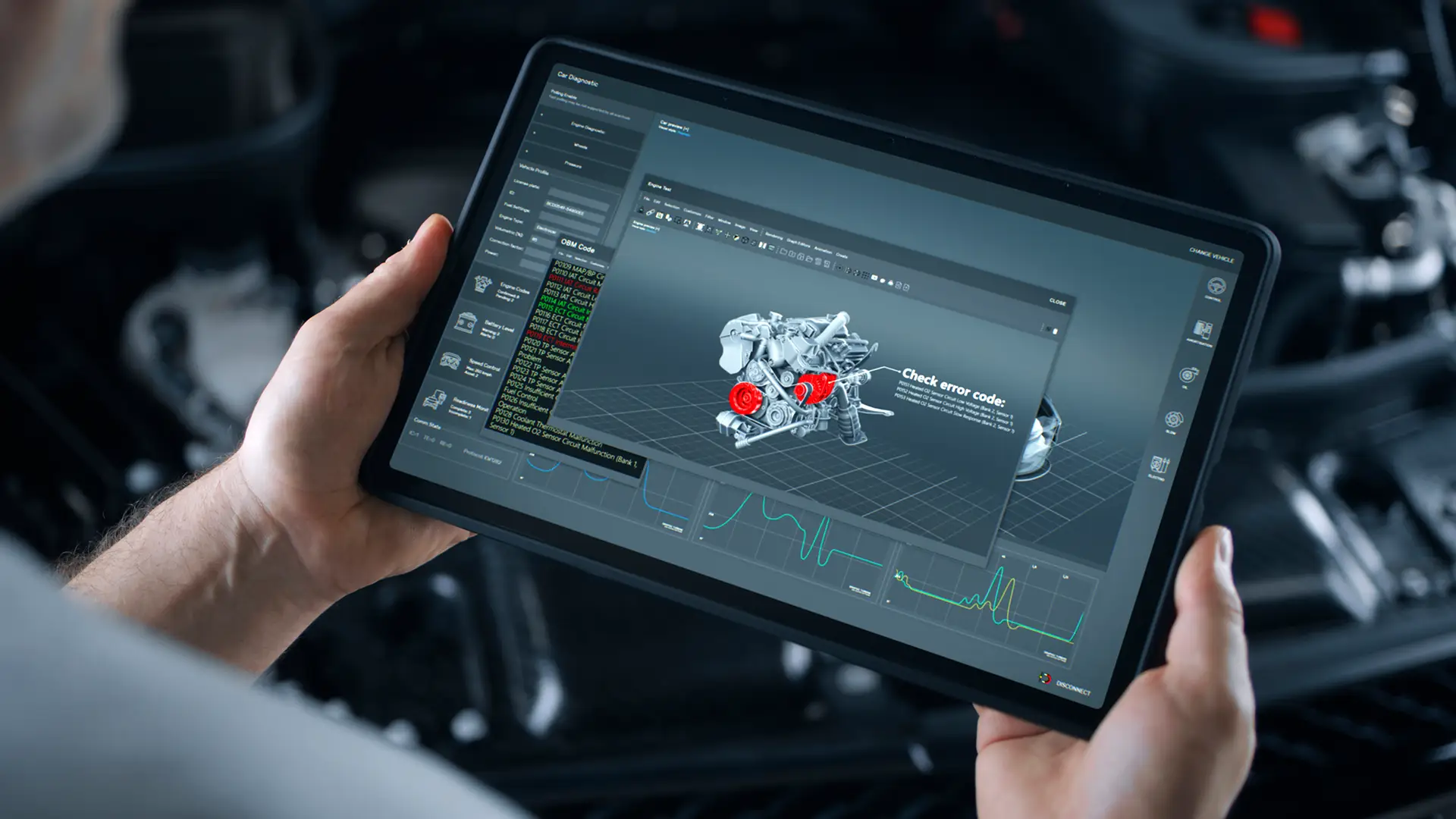
When technicians spend too long searching for repair information, or support teams are buried in repeat queries, productivity falls and downtime rises. In validation work with a leading multinational manufacturer, the MSX AI Virtual Assistant reduced support tickets by 30% and improved response times by 15% by helping technicians access technical service bulletins, repair manuals, and diagnostic trouble codes faster. That is operational efficiency with a direct commercial effect.

Repair quality is another area where workshop performance shapes profitability in ways that are easy to overlook. Repeat repairs, inconsistent diagnosis, and poor repair order discipline all create cost: rework, warranty exposure, customer dissatisfaction, and avoidable operational expense. MSX Repair Quality Support addresses this through a structured, data-led program that helps OEMs and dealer networks improve first-time fix rates (FTFR), standardize repair execution, and prioritize intervention where it has the greatest impact. The results are measurable: up to a 5% improvement in first-time fix and up to a 20% productivity increase across the network.

The same is true for technical content. Documentation often sits in the background, but slow publishing cycles and fragmented authoring processes create friction across the network. pubFoundry helps improve content flow, consistency, and speed, which supports better service performance and more efficient knowledge sharing.

A wider shift is happening here too.

This shift is changing how automotive businesses think about performance. In Beyond the numbers and Is the traditional KPI dead?, MSX explored why historical KPIs alone are no longer enough. Organizations need better context, better prediction, and a clearer understanding of what is driving performance – not just what has already happened.

That shift matters because profit is easier to protect when organizations can see problems early and act before cost becomes visible.

Profit is easiest to lose when complexity increases.

Recalls also deserve a place in the profit conversation. Poorly managed recalls do more than add cost. They put pressure on capacity, frustrate customers, and weaken trust. MSX Recall Management helps coordinate scheduling, capacity, and customer contact so that recalls are completed more efficiently and with less disruption. For fleet operators and mobility providers, lifecycle risk makes the point even more clearly. In this customer success story: Increasing fleet reliability, MSX showed how a preventative maintenance model could help a logistics operator avoid up to $13 million in annual spend. That is what happens when data is used early enough to protect value before cost becomes visible.

So where is profit really created?

Across all of these examples, the message is consistent: Profit is shaped through operational decisions, customer experience, service efficiency, compliance readiness, technical support, and lifecycle management.

In other words, profit follows the vehicle. The organizations that understand the profit lifecycle will be better positioned to identify hidden margin loss, strengthen customer loyalty, and create sustainable performance at every stage of the journey.

The question is not whether profit is being won or lost. The question is where.

Which stage of the vehicle lifecycle has the greatest impact on profitability in your organization? Connect with us to continue the discussion.

Related Articles

The data cycle: Where insights drive actions, and actions fuel insights

The data cycle: Where insights drive actions, and actions fuel insights

Field operations are one of MSX’s most influential capabilities because transformation happens where customers interact with your brand. Every year, we visit and coach thousands of retail locations, and that number continues to grow. These engagements are not routine checks, but strategic interventions designed to elevate performance, customer experience, and profitability.

OEMs recognize the value of this service because, in today’s highly analytical era, success demands more than intuition. It requires rigorous evaluation, actionable insights, and alignment with evolving customer expectations. Field operations bridge the gap between strategy and execution, ensuring every recommendation is grounded in evidence and tailored to real-world conditions.

Analytical practices have matured and so have the tools behind them. Advances in data engineering, governance, cataloguing, and generative AI have redefined what’s possible. These capabilities allow us to move beyond static reporting to dynamic, predictive insights – delivering multiple KPIs and repeatable, high-quality analysis at speed. We can now identify which operational practices drive measurable improvements in customer satisfaction and replicate those successes across entire networks.

Redefining value

Calculating the ROI of field programs has always been complex. At MSX, we’re committed to solving that challenge with transparency and precision. Our ambition is to transition every field operations program to a pay-for-performance model – a bold move that aligns our success with yours. By linking compensation to measurable outcomes, we reduce risk for OEMs, demonstrate accountability, and prove the value of every intervention with data-driven evidence.

Precision in practice

One of the biggest hurdles in measuring program impact occurs when participants are not selected at random. This can make results misleading, as differences may stem from factors like size, location, or experience rather than the program itself. A simple A/B test often falls short in these cases. However, when control and treatment groups are randomized, A/B testing becomes a powerful methodology – enabling us to uncover and validate cause-and-effect relationships between variables and their impact on business performance. This creates a precise benchmark for informed business discussions.

Beyond single experiments, our technical capabilities allow us to run multiple tests simultaneously, optimizing operational practices and recommendations in real time.


Your data is just the starting point. We enrich it with hundreds of additional datasets from internal sources and world-class partners to give you a panoramic view of performance. This expanded dataset enables broader benchmarking so you can see how your network compares internally and against industry leaders. It positions your success in the context of competitive standards, helping you identify where you outperform and where improvement is needed.

By combining your operational KPIs with regional market data, we can pinpoint which service practices deliver the highest customer satisfaction in similar markets. Accuracy ensures these insights are based on validated, reliable data, while transparency means you understand the methodology behind every recommendation. This clarity empowers you to make strategic decisions with confidence – whether that’s reallocating resources to high-performing regions, refining training programs, or introducing new customer experience initiatives.

Unearthing the full picture

The numbers tell part of the story – but not all of it. While quantitative data reveals trends and performance metrics, qualitative insights uncover the “why” behind those patterns. Our tools integrate both dimensions seamlessly. By applying propensity score matching – a method that creates fair comparisons by matching entities with similar characteristics – we eliminate bias and ensure evaluations reflect true impact. This means you’re not just comparing dealerships by size or geography – you’re benchmarking performance against peers with similar operational realities.

At the most granular level, we track practice adoption and assess implementation quality. This allows us to answer critical questions: Are the recommended processes being followed? How effectively are they executed? These insights highlight gaps that raw numbers can’t capture, such as cultural barriers or training needs that influence outcomes.

Turning insight into action

Empowering our field teams is fundamental to driving transformation. We equip them with actionable data and encourage critical thinking, enabling them to interpret insights rather than simply report them. This blend of quantitative evidence and qualitative context ensures recommendations are not only statistically significant but also practical and tailored to real-world conditions.

A data model might show that a specific service process improves customer satisfaction scores. But qualitative feedback from the field could reveal that adoption is slow due to resource constraints. By combining these perspectives, we design interventions that are both effective and feasible – whether that means adjusting training programs, reallocating resources, or refining operational guidelines. This integrated approach turns field teams into strategic partners, capable of influencing outcomes and shaping best practices across the network.

The road ahead is complex, but MSX has the expertise to navigate it. We’ve iterated across multiple OEM datasets, refining our approach to causal analysis and preparing for rollout at scale. Our internal data capabilities are evolving to meet – and exceed – the challenges facing mobility players today.

If you’re ready to turn data into a competitive advantage and transform your field operations into a performance-driven engine, let’s start the conversation.

Connect with MSX today and discover how we can help you lead the future of mobility.

Contact the Author

Felipe_Cruz

Felipe Cuz

Global Solutions Leader, Actionable Insights

Felipe_Cruz

Felipe Cruz

Global Solutions Leader, Actionable Insights

Related Articles

The repair experience gap: How workshop quality builds or breaks loyalty

The repair experience gap: How workshop quality builds or breaks loyalty

In a market where automotive brands race to innovate, the most defining moments in the customer relationship still happen in the workshop.

Research shows that consumers spend three times more time interacting with service and repair processes than they do buying a vehicle, making the service process crucially important from a customer experience perspective. Yet one in three will leave a brand they previously trusted after a single poor experience, sending a clear message: aftersales performance is one of the strongest drivers of long-term loyalty.

The invisible moments that shape brand perception

Automotive organizations invest heavily in product development and customer engagement, but the daily interactions that influence customer trust often unfold far from the boardroom – at morning drop-off, during parts shortages, or when diagnostics stall.

These touchpoints are where brand promise meets real customer experience. When customers worry about repair accuracy, lead time or transparency, they’re not evaluating an isolated service event. They’re reassessing their confidence in the brand itself. These impressions build over time and have lasting impact.

If the workshop plays such a critical role, why is it still seen as a support function instead of a strategic opportunity?

The process gap: Where capability meets friction

Workshop challenges do not come from a single root cause. In some markets more than others, dealers are managing high employee turnover, with newer technicians entering the workshop with limited hands-on experience. In these environments, technical capability and access to effective training are genuine constraints that directly affect repair quality.

At the same time, even well-trained technicians often struggle to deliver consistent outcomes when processes fail to support them. The most common breakdowns occur where people, information and workflows are poorly connected, creating friction that undermines both efficiency and customer confidence.

A typical negative service experience often includes:

These failures are fixable. But they require stronger process intelligence, clearer accountability and better alignment between technical training, operational workflows and customer-facing communication. When workshops are equipped with both the right skills and the right processes, technicians can focus on repair accuracy, advisors can manage expectations confidently, and customers experience consistency they can trust.

A smarter model for workshop excellence

Field work is unpredictable. Managing high-priority escalations requires a structure that prioritizes agility. MSX supports this through coordinated deployment models and clear escalation pathways embedded within OEM workflows.

Crucially, our engineers have a deep understanding of how cases develop and the impact they have on your business. They can quickly identify when a technical fix might not be the best approach and when a wider commercial strategy is needed. This forward-thinking approach facilitates early risk mitigation, protecting your relationship with customers and reaching a positive result before a situation becomes too difficult to resolve.

MSX’s Repair Quality Excellence program is built on three core principles:

Performance-based segmentation

Key KPIs help us group dealers into tailored support tiers, respecting dealer context and ensuring support is meaningful, not disruptive. High performers act as benchmarks, sharing best practices. Mid-tier dealers benefit from focused virtual coaching that addresses specific process challenges. Lower-performing, high-volume dealers receive in-depth on-site support and customized improvement roadmaps.

Process diagnostics, not symptom treatment

Lagging indicators like CSI scores reveal issues only after customers are impacted. We prioritize early detection of process breakdowns. Why does one dealer hold repair orders for 15 days while another completes them in three? Why are parts unfilled? Or why do some technicians require more technical assistance than others? These patterns point to systemic issues that can be measured and resolved before they affect customers.

Hybrid engagement models

With the right analytics, field support becomes more precise and effective. Helping one OEM with its dealer network, MSX reduced travel costs by over $500,000 a year while increasing dealer contacts by 20%. Virtual coaching manages routine needs. On-site support is reserved for complex, high-impact cases. This model strengthens efficiency, responsiveness and network-wide performance.

The metrics that matter

When the workshop is recognized as a driver of customer experience, the KPIs expand beyond cost containment. The impact includes:

Improved first-time fix rates

Dealers in MSX programs achieve 2.5–5% gains, reducing repeat repairs.

Faster repair cycle times

Shorter lead times improve customer satisfaction and workshop throughput.

High dealer satisfaction

Specialists consistently achieve 9.5/10 ratings, reflecting a partnership approach.

System-wide learning

Insights from dealers inform policy, process improvements and even product quality.

These outcomes create tangible competitive advantage in a market where loyalty is increasingly fragile.

Workshop excellence as a strategic differentiator​

As the industry moves across supply chain instability, software-defined vehicles and evolving sales models, product differences are narrowing. What increasingly sets brands apart is the ownership experience.

Workshop performance is central to that experience. It demands a shift in mindset – from treating aftersales as operational overhead to viewing it as a strategic capability that builds trust and loyalty. It requires proactive process optimization and recognition that customer perception of quality is shaped as much by service interactions as by vehicle engineering.

The decision for OEMs is no longer whether to invest in workshop-process improvement, but whether they can afford not to – especially when a single poor interaction can undo years of brand building.

Ready to explore how workshop excellence can strengthen your customer experience?

Contact the Author

Pasquale Aloi

Global Solution Leader, Warranty & Repair Efficiency

Pasquale_aloi.png

Pasquale Aloi

Global Solution Leader, Diagnostic & Repair Enhancement

Related Articles

When technology reaches its limit: Why human expertise is the final line of defense in complex vehicle diagnostics

When technology reaches its limit: Why human expertise is the final line of defense in complex vehicle diagnostics

In an industry racing toward AI-driven diagnostics, predictive maintenance algorithms, and multi-level remote technical support, there remains a critical “intelligence gap.” While digital tools excel at pattern recognition, there is a category of complex challenges where technology reaches its limit.

These are the cases where remote logs and automated databases cannot yet provide the answer, and where human judgment becomes the essential counterweight to technical uncertainty.

For OEMs, these unresolved cases represent more than just a technical hurdle; they are a direct threat to brand equity. When a vehicle remains at a dealership and Level 1 or Level 2 support has exhausted all options, the situation quickly escalates from a service delay to a significant commercial risk. This is where the Field Service Engineer (FSE) steps in – not merely as a service provider, but as a strategic intelligence asset and the final line of defense ensuring operational continuity and safeguarding the manufacturer’s long-term commercial interests.

When remote support is no longer enough

The automotive industry has made extraordinary progress in remote technical support. Multi-tiered helpdesks and AI-powered knowledge bases have dramatically improved first-time-fix rates. However, as we move toward the era of Software-Defined Vehicles (SDVs), the complexity of hardware-software “ghost” issues is increasing. Remote diagnostics often miss the nuanced physical symptoms or complex system interactions that only an on-site expert can capture.

These critical cases often involve:

Left unresolved, these rare but high-impact situations can damage customer loyalty and lead to costly litigation. At this stage, success depends on having the right expertise on the ground to protect the OEM’s reputation.

The Field Service Engineer advantage

An FSE is far more than a generalist technician. At MSX International, our Field Service Engineers are highly specialized professionals with extensive, OEM-specific expertise. Their proficiency extends beyond standard mechanical operation; they possess a comprehensive understanding of the vehicle’s design architecture, manufacturing processes, and engineering evolution.

This capability is built through:

Because MSX engineers operate across the entire automotive and mobility network, they are uniquely positioned to identify emerging failure patterns at an early stage. This proactive approach contributes directly to long-term quality enhancements and significantly reduces the “time-to-fix” across the entire organization.

Flexibility that matches real-world complexity

Field work is unpredictable. Managing high-priority escalations requires a structure that prioritizes agility. MSX supports this through coordinated deployment models and clear escalation pathways embedded within OEM workflows.

Crucially, our engineers have a deep understanding of how cases develop and the impact they have on your business. They can quickly identify when a technical fix might not be the best approach and when a wider commercial strategy is needed. This forward-thinking approach facilitates early risk mitigation, protecting your relationship with customers and reaching a positive result before a situation becomes too difficult to resolve.

Turning field insight into lasting improvement

One of the most valuable outcomes of Field Service Engineering happens after the case is solved. Every resolved issue is a piece of intelligence that strengthens the wider network. At MSX, we move from “reactive firefighting” to “proactive quality improvement” by:

Agility and cross-pollination: The partner advantage

For OEMs, the decision to build this capability in-house or partner with a specialist is a question of strategic agility. While internal teams are valuable, partnering with MSX offers a unique advantage: Cross-pollination.

Because MSX operates across multiple OEMs and global markets, we see failure patterns and diagnostic breakthroughs that an internal team, focused on a single brand, might miss. This broader perspective provides our partners with:

Strategic agility

The ability to scale deployment rapidly to meet fluctuating demand without the burden of fixed internal overheads.

Stability

Reduced risk associated with specialist turnover, ensuring institutional knowledge remains secure.

Innovation

Access to best practices derived from a global vantage point across the entire automotive landscape.

A strategic investment in brand confidence

Digital tools will continue to advance, and they are essential. But when the stakes are high, human judgment remains the ultimate safeguard. Field Service Engineers protect brand reputation, support dealers under pressure, and transform individual crises into lasting organizational improvements.

When a single unresolved issue can have serious legal or reputational consequences, having the right expertise in place is not a cost. It is a strategic investment in the future of your brand.


Ready to explore how Field Service Engineering can strengthen your aftersales operation? 

Contact the Author

Nicola Zorz

Global Solution Leader, Diagnostic & Repair Enhancement

Nicola Zorz

Global Solution Leader, Diagnostic & Repair Enhancement

Related Articles

Lifecycle optimization and sustainability: Driving smarter, greener vehicle management

Lifecycle optimization and sustainability: Driving smarter, greener vehicle management

In today’s mobility landscape, where vehicles are more connected, electrified, and expensive than ever, the traditional “use and replace” model is no longer sustainable. The real opportunity lies not in building more vehicles, but in using the ones we already have more intelligently. Lifecycle optimization is emerging as a strategic imperative for businesses seeking to balance profitability with environmental responsibility.

Complexity, cost, and carbon

Fleet operators, OEMs, and mobility providers face mounting pressure on multiple fronts. Electrification is reshaping vehicle design and maintenance. Residual value volatility is complicating asset planning. And sustainability targets are tightening under regulatory and consumer scrutiny.

Yet many organizations still rely on outdated lifecycle strategies; reactive maintenance, arbitrary disposal timelines, and fragmented data systems. This not only drives up total cost of ownership (TCO), but also leads to premature scrapping, unnecessary part replacements, and missed opportunities for reuse and resale.

Lifecycle intelligence in action

To thrive in this new era, mobility players need a smarter approach, one that integrates real-time data, predictive analytics, and sustainability metrics across the entire vehicle lifecycle.

At MSX, we help businesses unlock more from every vehicle. Our Integrated Vehicle Health Management (IVHM) solution combines predictive analytics, component-level tracking, and deep automotive expertise to deliver smarter, more sustainable lifecycle strategies.

From reducing emergency repairs to enabling second-life programs, IVHM empowers you to move from reactive decisions to strategic ones, maximizing value while minimizing environmental impact.

Smarter maintenance

Our IVHM system uses in-vehicle sensors and telematics to monitor performance and flag anomalies before they become breakdowns. This shift from reactive to predictive maintenance reduces downtime, extends vehicle life, and lowers operational costs.

Strategic retirement

Knowing when to let go of a vehicle is just as important as knowing how to maintain it. Our data-backed model can forecast the optimal moment to retire a vehicle before repair costs outweigh value, but while the asset still holds quality for resale or reuse.

Circular thinking

Vehicles that are well maintained and strategically retired are ideal candidates for second-life programs. Whether remarketed, leased, or repurposed, these assets support a more inclusive, circular economy that reduces waste and maximizes resource efficiency.

We combine deep automotive expertise with cutting-edge technology to help clients unlock more from every vehicle. In addition to our IVHM solution, our lifecycle optimization framework also includes:

This approach transforms lifecycle management from a cost center into a growth driver delivering higher uptime, lower TCO, and stronger environmental performance.

Profitability meets purpose

Lifecycle optimization delivers measurable impact across multiple business areas; operationally, financially, and environmentally. It’s not just a technical upgrade. It’s a strategic capability that drives real results.

Operational

Boosts uptime, enables smarter scheduling, and reduces emergency repairs.

Financial

Lowers total cost of ownership, improves asset return, and reduces capital expenditure.

Environmental

Cuts emissions, minimizes waste, and extends the useful life of every vehicle.

By retiring vehicles at the right moment, we ensure residual value remains strong, and we pave the way for a reliable second life.

The circular future starts now

The shift from “use and replace” to “use, preserve, and pass on” is a business model for the future. As the global transition to sustainable mobility accelerates, those who embrace data-led lifecycle strategies will lead, not follow.

Contact us today and discover more about how MSX can transform your fleet or OEM program.

Contact the Author

Felipe_Cruz

Felipe Cruz

Global Solutions Leader, Actionable Insights

Felipe_Cruz

Felipe Cruz

Global Solutions Leader, MSX

Related Articles

The application of causal modeling in automotive retail

The application of causal modeling in automotive retail

Automotive retail operations are becoming increasingly complex due to advancements in technology, evolving consumer behaviors, and heightened competition. In this dynamic environment, retailers must make well-informed decisions regarding inventory management, supply chain optimization, and overall business strategies. To achieve this, it is critical to understand the true factors that influence business outcomes.

In this article, we explore how MSX has been leveraging its expertise for over 20 years to navigate the complexities of automotive retail operations. We harness the capabilities of our expert teams to manually formulate and test causal relationships, rather than relying solely on the automated, technologically curated solutions available on the market. This unique approach, which few players in the market possess, allows us to gain deeper insights and make more informed decisions. Consequently, we believe we are in a prime position to invest even further in this field.

Understanding causal modeling

Causal modeling offers a cutting-edge, scientific approach to deciphering these intricate relationships between variables and their impact on business performance. By moving beyond traditional correlations, it identifies and validates cause-and-effect relationships, providing actionable insights for dealerships. This method, recently gaining traction in the automotive retail sector, has the potential to revolutionize how businesses enhance their performance and improve customer satisfaction.

This methodology helps us understand the true causes behind different outcomes by analyzing how various factors are related. Unlike simple correlations—such as the perception that having more technicians correlates with completing more maintenance work—causal modeling delves deeper to identify whether increasing the number of technicians directly causes an increase in maintenance output. This distinction is essential for making decisions that yield measurable results.

Building the model

To develop a robust causal model, access to comprehensive dealership data is paramount. This includes both financial and operational metrics. Analysts typically track and analyze up to 50 key performance indicators (KPIs) daily to model the expected influences of various factors. Mathematical and statistical techniques are then applied to predict the likelihood of one variable impacting another.

However, one of the key challenges in automotive retail is linking consultant recommendations to measurable improvements. Often, there is limited evidence directly connecting specific recommendations to desired outcomes. Causal modeling addresses this gap by statistically identifying which actions drive results and which do not. Over time, this approach helps create tailored action plans that maximize positive outcomes and minimize ineffective efforts.

From correlations to causal relationships

The ultimate goal is to move beyond surface-level correlations to uncover the deeper drivers of business success. By analyzing a wide range of data and metrics, dealerships can uncover hidden factors influencing their operations. For example, understanding how staff training impacts financial performance can lead to more effective training programs and, consequently, better dealership results.

Real-world applications

Causal modeling is already demonstrating its value in practical scenarios. For instance, using data from dealership visits and interventions, analysts can trace specific actions back to measurable improvements, such as increased new car sales. MSX’s tools, like Insight BM, which generate KPIs, can be further enhanced with causal analysis to provide prescriptive recommendations rooted in data-driven insights.

Additionally, visualizing these causal relationships offers stakeholders a clear understanding of how various factors influence each other. Insight BM takes this a step further by providing in-depth analysis and visualization of business data, helping uncover hidden patterns and insights. For example, it might show how staff training influences customer satisfaction, which in turn drives sales and profitability.

Enhance decision making

Identify the most impactful actions to prioritize efforts

Optimize resources

Allocate time and money more effectively by focusing on high impact interventions

Drive measurable results

Create action plans that are more likely to achieve positive outcomes.

Stay competitive

Leverage advanced analytics to stand out in a saturated market

The future of automotive retail analytics

Causal modeling represents a significant step forward in analytics for automotive retail. By combining advanced data collection, robust statistical methods, and actionable insights, this approach equips businesses to tackle modern challenges with confidence. As the industry continues to embrace causal analysis, the potential for improved performance and customer satisfaction grows exponentially.

At MSX, we are at the forefront of transforming automotive retail, setting new standards for the industry. Our pioneering efforts are backed by our deep expertise and extensive history in delivering transformative insights and a scientific approach through our dealership improvement programs, positioning us as a leading partner in the field.

We empower our clients to make data-driven decisions that drive significant results and secure a competitive edge. As we continue to advance, the integration of these models with cutting-edge predictive tools and machine learning technologies promises to revolutionize analytics in this sector, paving the way for a more dynamic and insightful future.

Contact the Author

Felipe_Cruz

Felipe Cruz

Global Solutions Leader, MSX

Felipe_Cruz

Felipe Cruz

Global Solutions Leader, MSX

Related Articles

Benchmarking redefined: Contour’s transformative approach to competitive analysis

Benchmarking redefined: Contour’s transformative approach to competitive analysis

In today’s fiercely competitive market, mobility players are striving to exceed industry standards. By comparing their performance with that of their competitors, organizations can uncover hidden opportunities, set ambitious yet achievable goals, and develop strategies to stay ahead. Competitive benchmarking has become an essential tool in this data-driven business landscape. Many businesses still struggle to understand how their competitors are performing, often relying on surveys to get the answers. Contour’s innovative benchmarking solution, however, uses real-time transactional data, providing a comprehensive, dynamic, and in-depth analysis of industry performance.

By redefining industry standards, Contour empowers businesses with actionable intelligence that drives strategic decision-making and operational excellence. This advanced approach enables organizations to gain a competitive edge by accessing insights, identifying areas for improvement, and making informed decisions that enhance overall performance. As a result, businesses can stay ahead of market trends, optimize their operations, and achieve sustained success in an increasingly competitive environment.

Revolutionizing benchmarking with real-time data analytics

Traditional benchmarking relies on surveys, which often lack depth, accuracy, and relevance. Contour disrupts this model by integrating transactional data analytics, allowing businesses to compare industry trends. It works by aggregating repair order data and other relevant metrics which is then normalized and securely shared through an executive mobile app and diagnostic portal.

One of the unique aspects of this solution is its ability to normalize data across different OEMs and independent repair chains. This normalization allows for meaningful comparisons and helps organizations identify areas for improvement. This approach enables businesses to:

Delivering insights through smart technology

At the heart of Contour’s approach to benchmarking is the delivery of insights through smart technology, ensuring that these insights are both accessible and actionable by leveraging advanced technological solutions. Contour’s desktop Diagnostic Portal offers in-depth analysis with granular reports on brand performance and competitive analysis. This tool allows users to dive deep into the data, uncovering detailed insights that can drive strategic decisions and operational improvements.

The Executive Mobile App provides a high-level, intuitive interface designed specifically for industry leaders who require quick, daily performance snapshots. This app is not only convenient, but it also empowers executives with the information they need to make informed decisions on the go. The app features AI-generated summaries and news aggregation, which enhance decision-making by providing a comprehensive view of the market landscape and highlighting key trends and developments.

Thought leadership and market intelligence

Looking ahead, Contour’s thought leadership initiatives aim to redefine benchmarking by integrating predictive business intelligence, AI-driven decision support, and globalized data trends. These modules are designed to not only anticipate market changes before they occur, allowing organizations to proactively adjust their strategies and operations, but also offer support to dealers and OEMs in identifying areas of concern and opportunity by analyzing vast amounts of data and providing actionable insights. Access to globalized data trends helps to expand competitive insights across international markets, enabling organizations to benchmark their performance on a global scale and stay ahead of industry trends.

Leading the evolution of benchmarking

The importance of the competitor benchmarking solution within Contour’s framework cannot be overstated. It not only helps organizations understand their position in the market but also provides actionable insights to drive improvements. By offering a comprehensive view of performance metrics, we’re enabling organizations to make informed decisions, optimize their operations, and ultimately achieve better business outcomes. By integrating predictive intelligence, smart indexing, and intuitive reporting, we’re empowering businesses to stay ahead of the competition and drive future success.

Contact us today to discover how Contour can transform your business and give you the competitive edge you need.

Contact the Author

Cory_Allen

Cory Allen

Global Delivery Leader, Actionable Insights

Cory_Allen

Cory Allen

Global Delivery Leader, Actionable Insights

Related Articles

Increasing fleet reliability: Real-world recommendations for preventative maintenance

Increasing fleet reliability: Real-world recommendations for preventative maintenance

Fast facts

Middle-mile logistics partner for a multinational e-commerce company

Faced with rising maintenance costs and inefficient scheduling as its vehicle warranties expired, our client needed a tailored preventative maintenance plan to reduce costs, extend vehicle lifespans, and improve reliability.

United States

MSX developed a data-driven risk modeling solution, using warranty data and survival analysis to create a preventative maintenance schedule. This approach aimed to reduce repair costs, extend vehicle lifespans, and improve reliability, potentially avoiding up to an additional $13 million in spend annually.

Addressing rising costs and inefficiency

The logistics partner for a multinational e-commerce company faced two key challenges as their fleet of vehicles approached the five-year mark – when warranties on many of their vehicles would expire:

  • Rising maintenance cost post-warranty

    During the first few years of vehicle ownership, our client’s costs were manageable, as major repairs were covered by manufacturer warranties. However, after four or five years, those warranties would no longer cover significant repairs, exposing them to potentially millions of dollars in additional maintenance expenses. With vehicles from several OEMs, they faced further complications. Maintenance and failure patterns varied across these OEMs, requiring tailored strategies for each.

  • Inefficient maintenance scheduling

    The existing maintenance schedule was insufficient for its needs. The schedule did not account for the rigorous demands placed on the fleet, leading to inefficiencies in downtime and suboptimal financial performance. In addition, our client lacked clear insights into the financial liabilities of extending vehicle lifespans and whether a more robust preventative maintenance program could mitigate risks and reduce costs.

In short, our logistics client needed a solution that could quantify the financial risk associated with maintaining its fleet post-warranty and propose a preventative maintenance plan that would extend vehicle lifespans, reduce downtime, and improve reliability, all while being cost-effective.

Insights for data-driven maintenance

We approached the client’s logistics team with a data-driven, advanced risk modeling solution that leveraged our expertise in the automotive sector and our ability to work with OEMs to obtain critical warranty data. The solution combined statistical techniques – specifically a reliability analysis – with practical recommendations for vehicle maintenance.

Step 1: Data collection

Our first step was to gather warranty data from the OEMs, which would allow us to understand the failure modes and maintenance requirements for each vehicle model in their fleet. We successfully negotiated with one OEM to provide warranty data not only for our client’s fleet vehicles but also for all similar model vehicles in its fleet, enriching our analysis. In the case of the second OEM, while direct data sharing wasn’t feasible, we leveraged a workaround by scraping the warranty data from its online vehicle information site, which allowed us to obtain the necessary details for its vehicles.

Step 2: Risk modeling

Using the warranty and maintenance data, we created a reliability model for each major vehicle component - such as the transmission, drivetrain, and electrical systems. We employed survival analysis to model the risk of failure for each component over time, allowing us to quantify the probability of failures at various mileage points. This modeling enabled us to predict how the risk of failure would evolve as vehicles aged, particularly after the expiration of their warranties.

Step 3: Preventative maintenance strategy

Once we had a clear understanding of the risks associated with each vehicle and component, we moved on to crafting a detailed preventative maintenance schedule. This schedule was designed to reduce the likelihood of costly, unplanned repairs by performing timely, cost-effective maintenance activities before failures occurred. Our approach considered the maintenance needs of 12-15 critical vehicle components for each OEM, proposing specific interventions (such as replacing batteries or servicing drivetrains) at optimized intervals.

Step 4: Financial analysis and impact simulation

Using the preventative maintenance schedule, we ran simulations to estimate the financial impact of the proposed activities. The goal was to quantify how much our client could save in terms of reduced downtime and repair costs. For example, we found that by implementing our preventative maintenance strategy for the drivetrain and transmission systems, they could avoid up to an additional $13 million in spend annually.

The key to our solution was that it not only helped our client optimize maintenance costs but also allowed the organization to plan for parts and services more effectively. By reducing unplanned downtime and minimizing the need for emergency repairs, it could maintain fleet reliability while cutting costs.

Benefits of a preventative maintenance model

While the full preventative maintenance strategy has not yet been implemented across the client’s entire fleet, the results from our model have already provided significant insights:

  • Cost savings

    By following our recommendations, the company could avoid up to an estimated $13 million in spend annually just by reducing the frequency and cost of major repairs in critical vehicle components.

  • Financial risk mitigation

    Our calculations indicated that without preventative measures, our client would face a 227% increase in repair costs once warranties expired. While this increase cannot be substantially reduced, our focus is on making this out-of-warranty jump as small as possible. Our preventative maintenance schedule provided a clear path to reducing these future liabilities.

  • Improved reliability

    The reliability modeling showed that implementing our maintenance schedule would significantly improve vehicle reliability, leading to less downtime and more efficient operations.

The foundation for long-term savings

As the program continues to evolve, MSX is exploring automation and AI to further streamline rule-based entries and validations. Early estimates suggest that these innovations could significantly reduce workloads for high-volume, low-complexity claims, freeing up dealer teams to focus on higher-value activities and further improving cycle times.

This project exemplifies the power of data-driven decision-making in fleet management. By combining advanced risk modeling and preventative maintenance strategies, we provided this organization with the tools to optimize its fleet maintenance, reduce operational costs, and enhance vehicle reliability. Although the full operational results are yet to be realized, the financial and strategic framework we’ve put in place gives the business a clear path to achieving long-term savings and efficiency gains.

Related case studies

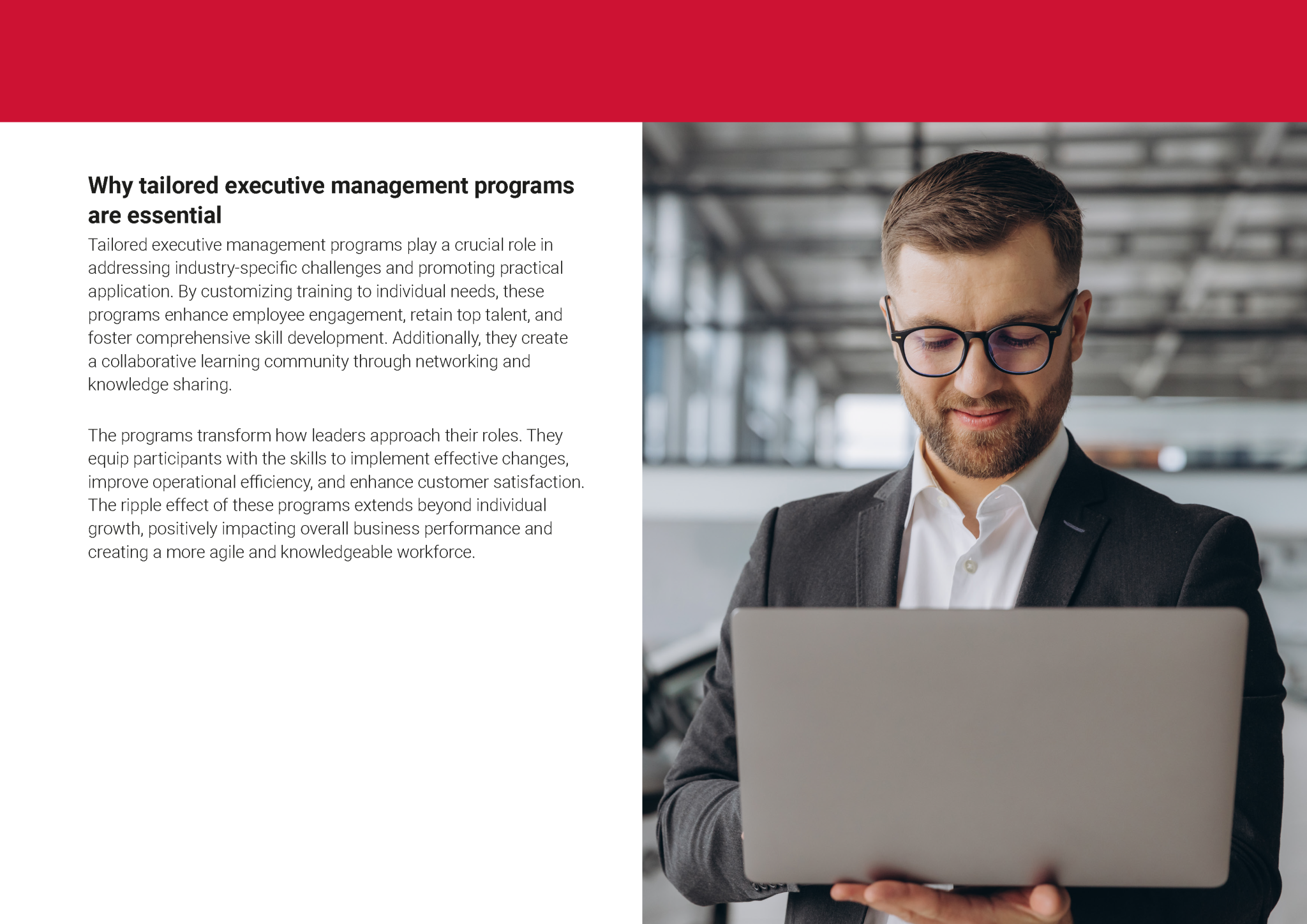
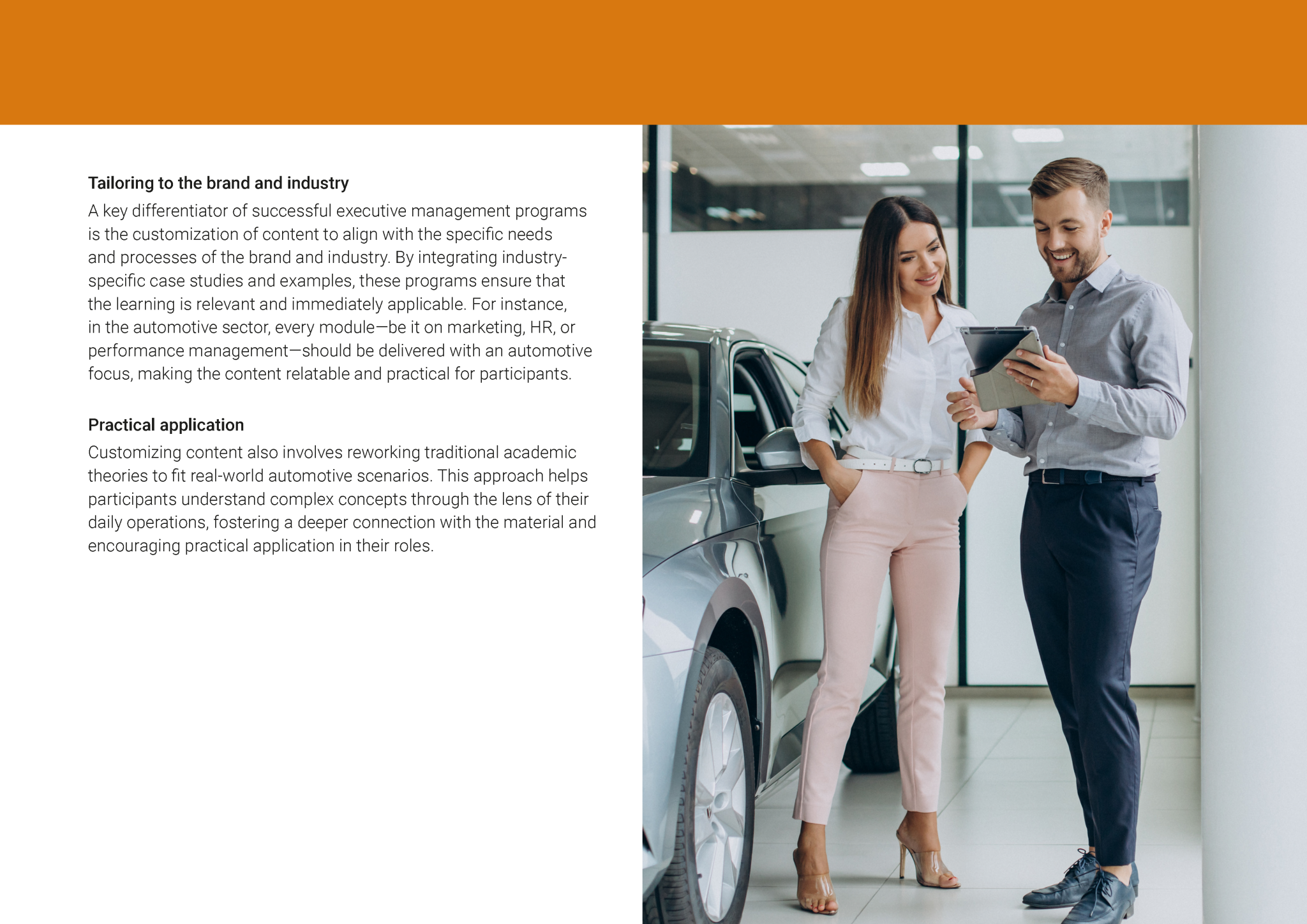
Five success factors to transforming your executive training program: Bridging the training gap in the mobility industry

Five success factors to transforming your executive training program: Bridging the training gap in the mobility industry

Bridging the training gap in the mobility industry

In today’s rapidly evolving mobility industry, standard training programs often fall short of meeting the complex and dynamic needs of professionals. The demand for continuous learning and adaptation has never been higher, especially for those in leadership roles within dealerships and OEMs. While traditional training methods offer foundational knowledge, they fall short of fully preparing leaders with the necessary tools and insights to excel in their specific environments.

In this report, we uncover how tailored executive management programs not only fill this gap but are also customized to the industry and designed to drive real world application and tangible business outcomes.


To stay informed about upcoming reports and events from MSX, submit your details below.
Don’t miss out on new insights and discussions with our leadership team.

We’d love to hear from you

If you’d like to know more about MSX or how we can support your business, please fill out the form below.


Related Articles

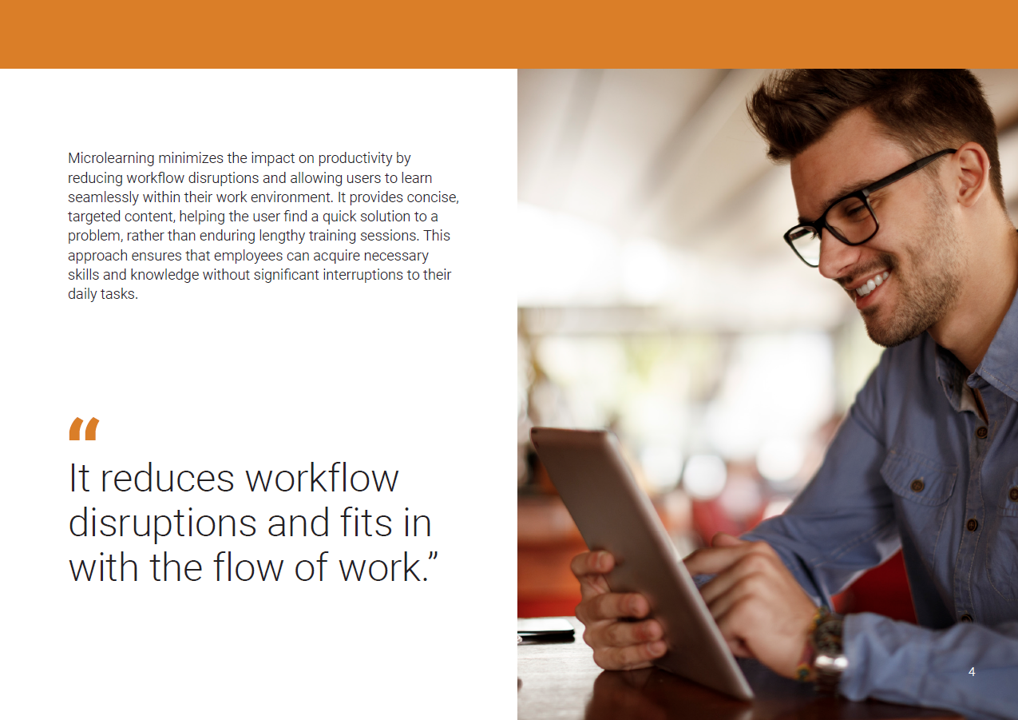
The five benefits of a winning microlearning formula: Transform your L&D strategy: Unlock the power of microlearning

The five benefits of a winning microlearning formula: Transform your L&D strategy: Unlock the power of microlearning

Transform your L&D strategy: Unlock the power of microlearning

For automotive brands, where continuous learning and up-to-date knowledge are crucial, microlearning offers an efficient way to train employees on new technologies, safety protocols, and customer service skills. However, success in microlearning depends on implementing the right tools, technologies, and methodologies.

In our latest report, MSX’s David Lowrie, Global Learning Solutions Leader, emphasizes the benefits of a winning microlearning formula, revealing that the right solutions can not only enhance employee engagement and retention, but also contribute to better overall performance.

Don’t miss out on new insights and discussions with our leadership team. To stay informed about upcoming reports and events from MSX, submit your details below.

We’d love to hear from you

If you’d like to know more about MSX or how we can support your business, please fill out the form below.


Related Articles