Intelligent dealer assistance: AI-powered technical support for optimal performance

Intelligent dealer assistance: AI-powered technical support for optimal performance

Fast facts

 A leading, multinational automotive manufacturer

Faced with a high turnover of dealer technicians, multi-brand dealer complexities, and difficulties in retrieving specific diagnostic information, our client needed to streamline the troubleshooting process, improve diagnosis efficiency, and reduce the number of queries coming into the technical helpdesk.

Europe

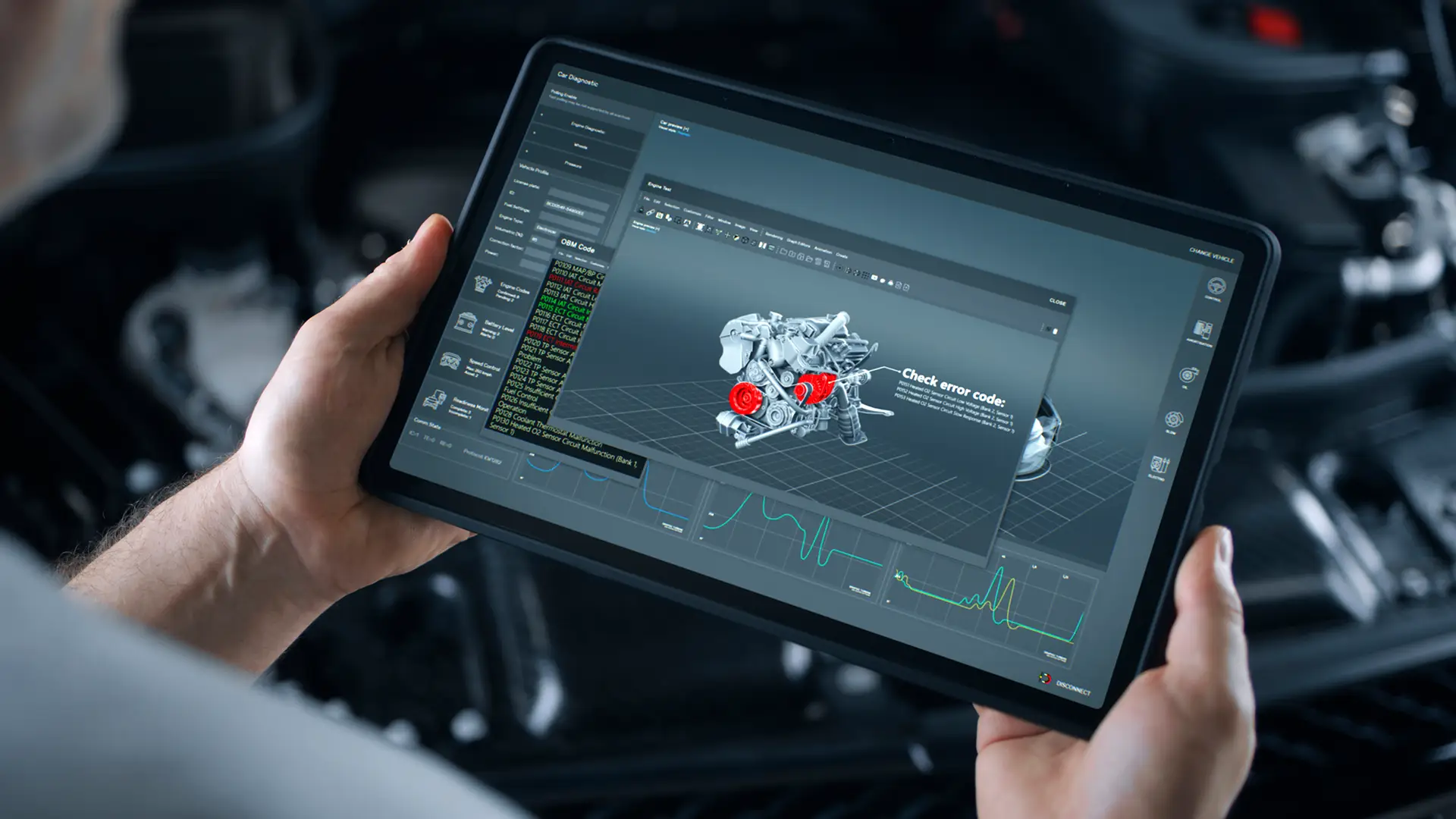
MSX developed AI Virtual Assistant providing instant access to relevant technical documentation based on vehicle-specific diagnostic trouble codes (DTCs) or even generic open queries.

The challenge: Navigating multi-brand complexities

The dealer network of a leading, global manufacturer struggled with accessing multi-brand technical documentation efficiently. With technicians managing multiple brands, navigating different systems, login credentials, and search mechanisms proved cumbersome. This often led to delays in issue resolution, increased support tickets to the Technical Help Desk (THD), and, ultimately, prolonged vehicle off-road times. Additionally, inconsistent usage of Technical Service Bulletins (TSBs) resulted in inefficiencies and higher costs for manufacturers, negatively impacting customer satisfaction.

The solution: AI-powered chatbot implementation

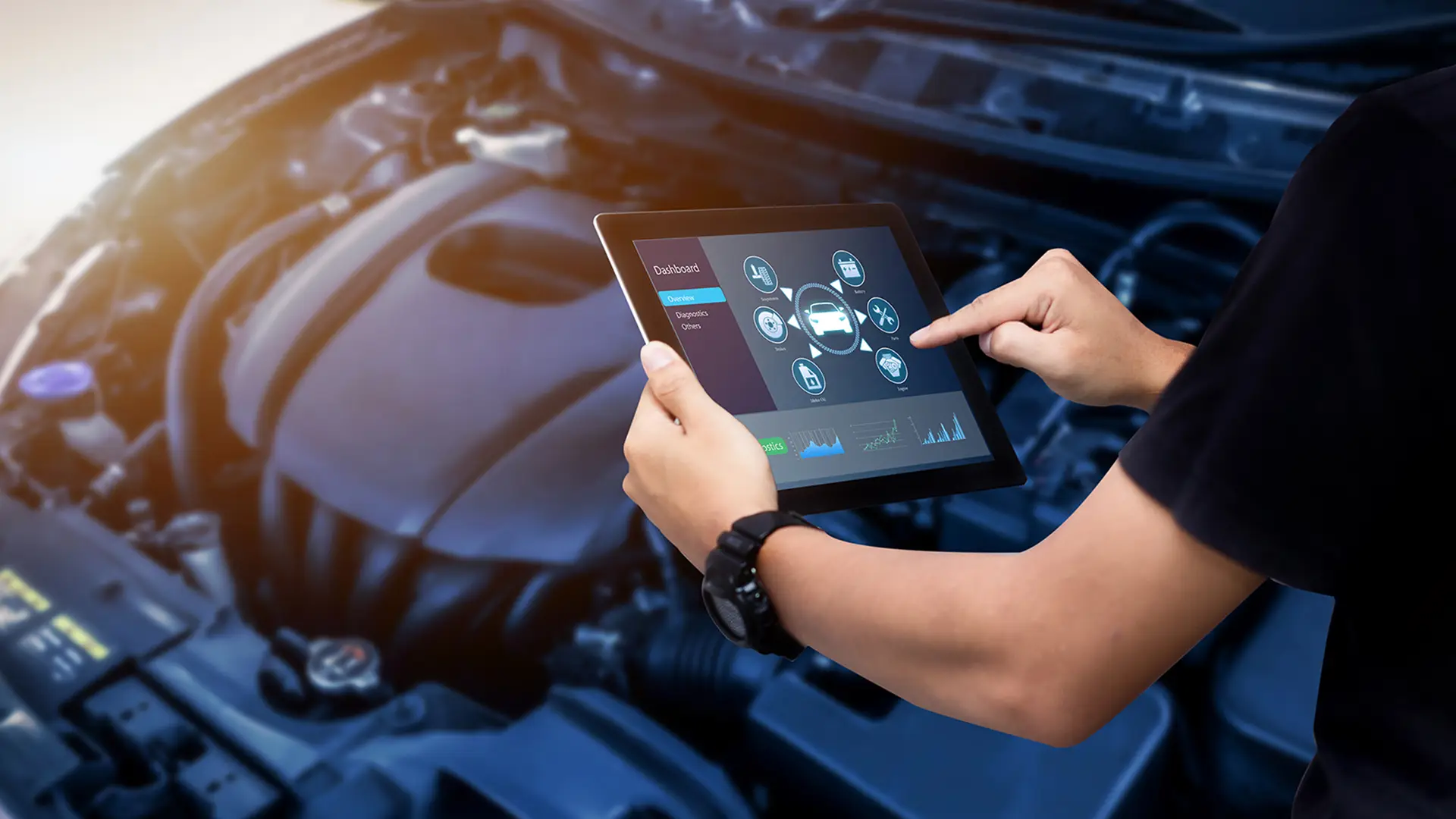
MSX developed AI Virtual Assistant, an AI-powered chatbot that can answer specific questions and diagnosis codes. It provides specific recommendations via a link or document (PDF, Word), or as a summary, depending on the customer’s needs. The chatbot was made accessible to the THD agent providing instant access to relevant TSBs based on natural language queries or specific diagnostic trouble codes (DTCs). Its multi-language support allows agents to interact in various languages, improving accessibility across European markets.

The solution was designed with integration flexibility, allowing it to connect seamlessly to OEM databases or directly retrieve PDFs and other documents. This ensures that agents have easy access to the necessary information. It also includes performance analytics capabilities, which track usage patterns, frequent queries, and the most accessed TSBs.

Implementation was structured into key phases:

  • Feasibility study and requirements gathering

    Conducted workshops with the client to identify primary pain points and determine necessary integrations.

  • Development and integration

    Collaborated with MSX’s CTO team to build a chatbot using pre-configured AI platform, ensuring compatibility with the client’s existing systems.

  • Pilot deployment

    Deployed the chatbot in select dealerships to assess effectiveness and gather feedback.

  • Expansion and enhancements

    Planned for future scalability, including additional documentation integration, historical ticket analysis, and potential voice-command capabilities.

The results: up to 30% ticket reduction and 15% faster resolutions

The implementation of MSX AI Virtual Assistant continues to deliver significant improvements for the brand’s THD. A set of pre-defined Key Performance Indicators (KPIs) measures the frequency of usage, time to complete each issue, most frequent requests asked, and most frequent responses provided per model. This data is then used to continuously improve and optimize training processes facilitating faster issue resolution and helping reduce vehicle downtime, ultimately enhancing customer trust and satisfaction.

The AI chatbot has reduced agent response times for complex cases by 15% by providing faster access to prior solutions. Results also indicate that by providing technicians with direct access to documentation via self-service troubleshooting, the AI chatbot can improve technician efficiency, reduce vehicle downtime, optimize technician support, and increase customer satisfaction through quicker problem resolution. It could also reduce the number of incoming tickets by up to 30% leading to further cost reduction, improved accuracy, and standardization.

Looking ahead, MSX plans to enhance the system by leveraging machine learning for predictive issue resolution and enabling direct vehicle connectivity for real-time diagnostics and issue identification via remote data access. These improvements will deliver greater cost efficiencies for OEMs and further streamline their technical support processes.

The AI-powered chatbot represents a transformative step in automotive aftersales support, enhancing efficiency, reducing costs, and improving overall service quality. By leveraging AI and automation, MSX is pioneering smarter, faster, and more effective solutions for dealer networks and technical support teams, ultimately leading to greater customer satisfaction and significant cost savings for OEMs.
Related case studies

Increasing fleet reliability: Real-world recommendations for preventative maintenance

Increasing fleet reliability: Real-world recommendations for preventative maintenance

Fast facts

Middle-mile logistics partner for a multinational e-commerce company

Faced with rising maintenance costs and inefficient scheduling as its vehicle warranties expired, our client needed a tailored preventative maintenance plan to reduce costs, extend vehicle lifespans, and improve reliability.

United States

MSX developed a data-driven risk modeling solution, using warranty data and survival analysis to create a preventative maintenance schedule. This approach aimed to reduce repair costs, extend vehicle lifespans, and improve reliability, potentially avoiding up to an additional $13 million in spend annually.

Addressing rising costs and inefficiency

The logistics partner for a multinational e-commerce company faced two key challenges as their fleet of vehicles approached the five-year mark – when warranties on many of their vehicles would expire:

  • Rising maintenance cost post-warranty

    During the first few years of vehicle ownership, our client’s costs were manageable, as major repairs were covered by manufacturer warranties. However, after four or five years, those warranties would no longer cover significant repairs, exposing them to potentially millions of dollars in additional maintenance expenses. With vehicles from several OEMs, they faced further complications. Maintenance and failure patterns varied across these OEMs, requiring tailored strategies for each.

  • Inefficient maintenance scheduling

    The existing maintenance schedule was insufficient for its needs. The schedule did not account for the rigorous demands placed on the fleet, leading to inefficiencies in downtime and suboptimal financial performance. In addition, our client lacked clear insights into the financial liabilities of extending vehicle lifespans and whether a more robust preventative maintenance program could mitigate risks and reduce costs.

In short, our logistics client needed a solution that could quantify the financial risk associated with maintaining its fleet post-warranty and propose a preventative maintenance plan that would extend vehicle lifespans, reduce downtime, and improve reliability, all while being cost-effective.

Insights for data-driven maintenance

We approached the client’s logistics team with a data-driven, advanced risk modeling solution that leveraged our expertise in the automotive sector and our ability to work with OEMs to obtain critical warranty data. The solution combined statistical techniques – specifically a reliability analysis – with practical recommendations for vehicle maintenance.

Step 1: Data collection

Our first step was to gather warranty data from the OEMs, which would allow us to understand the failure modes and maintenance requirements for each vehicle model in their fleet. We successfully negotiated with one OEM to provide warranty data not only for our client’s fleet vehicles but also for all similar model vehicles in its fleet, enriching our analysis. In the case of the second OEM, while direct data sharing wasn’t feasible, we leveraged a workaround by scraping the warranty data from its online vehicle information site, which allowed us to obtain the necessary details for its vehicles.

Step 2: Risk modeling

Using the warranty and maintenance data, we created a reliability model for each major vehicle component - such as the transmission, drivetrain, and electrical systems. We employed survival analysis to model the risk of failure for each component over time, allowing us to quantify the probability of failures at various mileage points. This modeling enabled us to predict how the risk of failure would evolve as vehicles aged, particularly after the expiration of their warranties.

Step 3: Preventative maintenance strategy

Once we had a clear understanding of the risks associated with each vehicle and component, we moved on to crafting a detailed preventative maintenance schedule. This schedule was designed to reduce the likelihood of costly, unplanned repairs by performing timely, cost-effective maintenance activities before failures occurred. Our approach considered the maintenance needs of 12-15 critical vehicle components for each OEM, proposing specific interventions (such as replacing batteries or servicing drivetrains) at optimized intervals.

Step 4: Financial analysis and impact simulation

Using the preventative maintenance schedule, we ran simulations to estimate the financial impact of the proposed activities. The goal was to quantify how much our client could save in terms of reduced downtime and repair costs. For example, we found that by implementing our preventative maintenance strategy for the drivetrain and transmission systems, they could avoid up to an additional $13 million in spend annually.

The key to our solution was that it not only helped our client optimize maintenance costs but also allowed the organization to plan for parts and services more effectively. By reducing unplanned downtime and minimizing the need for emergency repairs, it could maintain fleet reliability while cutting costs.

Benefits of a preventative maintenance model

While the full preventative maintenance strategy has not yet been implemented across the client’s entire fleet, the results from our model have already provided significant insights:

  • Cost savings

    By following our recommendations, the company could avoid up to an estimated $13 million in spend annually just by reducing the frequency and cost of major repairs in critical vehicle components.

  • Financial risk mitigation

    Our calculations indicated that without preventative measures, our client would face a 227% increase in repair costs once warranties expired. While this increase cannot be substantially reduced, our focus is on making this out-of-warranty jump as small as possible. Our preventative maintenance schedule provided a clear path to reducing these future liabilities.

  • Improved reliability

    The reliability modeling showed that implementing our maintenance schedule would significantly improve vehicle reliability, leading to less downtime and more efficient operations.

The foundation for long-term savings

As the program continues to evolve, MSX is exploring automation and AI to further streamline rule-based entries and validations. Early estimates suggest that these innovations could significantly reduce workloads for high-volume, low-complexity claims, freeing up dealer teams to focus on higher-value activities and further improving cycle times.

This project exemplifies the power of data-driven decision-making in fleet management. By combining advanced risk modeling and preventative maintenance strategies, we provided this organization with the tools to optimize its fleet maintenance, reduce operational costs, and enhance vehicle reliability. Although the full operational results are yet to be realized, the financial and strategic framework we’ve put in place gives the business a clear path to achieving long-term savings and efficiency gains.

Related case studies

Optimizing conversions: Boosting efficiency and driving growth with non-human lead management

Optimizing conversions: Boosting efficiency and driving growth with non-human lead management

Fast facts

An American EV disruptor

Struggling with inefficiencies and conversion rates in lead management, particularly when it comes to integrating human interactions with digital tools, our client identified a pressing need for a solution that would allow customers to choose how they communicate, while also enabling them to maintain a high level of personalization and efficiency.

Europe

A digital solution that merges cutting-edge AI, automation, and human interaction to create a flexible, scalable, and modular approach to lead management, catering to different customer preferences while ensuring cost efficiency for OEMs.
The automotive industry has long faced challenges in lead management, especially in seamlessly integrating human interactions with digital tools and ensuring transparent follow-up throughout the sales journey to the point of conversion. Balancing customer preferences for personalized communication with the need for scalable and cost-effective processes can be a challenge for OEMs. Additionally, fluctuating workloads make it difficult to rely solely on full-time employees (FTEs), as human interactions require flexibility that can be difficult to achieve with a traditional workforce.

While most OEMs run marketing campaigns across various digital platforms such as Meta, Instagram, and LinkedIn, they often struggle to effectively capture and engage leads. They require the correct coding in place to capture lead data and turn this initial interest into successful conversions via personalized interactions. However, some customers still value human contact, especially when making significant decisions like purchasing a vehicle.

One American EV disruptor urgently needed a solution that would allow customers to choose their preferred communication methods, while also enabling them to maintain high levels of personalization and efficiency. This solution would ensure continuous follow-up throughout the sales journey, from lead to conversion.

Merging AI, automation, and human interaction

MSX developed an innovative, digital lead management solution that merges cutting-edge AI, automation, and human interaction to create a flexible, scalable process. This approach was designed to cater to different customer preferences while ensuring cost efficiency for OEMs.

The key to this solution is a modular approach to lead management that could adapt to varying levels of human involvement. Using advanced data gathering techniques from a variety of channels (including dealer systems, customer relationships management platforms, and social media channels), MSX compiled leads from diverse sources like Meta, Instagram, and web advertisements. Once customer data was captured, the system applied sophisticated clustering algorithms, utilizing 12 criteria to categorize leads into five distinct clusters based on purchase intent. This granular approach allowed for highly targeted communication tailored to the needs of each customer.

person-working-futuristic-office

” By implementing a digital-first approach with minimal human interaction, the company saw a dramatic increase in lead conversion rates, boosting discovery-to-conversion rates from 50% to 90%.”

Personalizing the customer journey

Customers were then presented with personalized landing pages (PLPs) that contained detailed vehicle information, offers, and options for further engagement. Depending on their cluster, customers could choose to continue their journey digitally via WhatsApp, connect with a salesperson, or schedule a test drive. The entire process, from lead generation to the final stages of conversion, was streamlined and digital, with human involvement only occurring when necessary—such as during a test drive.

In less than two months, MSX successfully developed a customized digital solution that aligned with the specific brand DNA and met the unique expectations of its customers, an impressive achievement given the complexity of the integration across multiple platforms. The modular design is fully customizable, allowing OEMs to adjust the level of human interaction as needed, depending on customer preferences or campaign demands. Whether the OEM is running a new vehicle launch, a seasonal campaign, or targeting a specific geographic region, the system’s scalability ensures that resources can be adjusted quickly and efficiently.

This approach allows the OEM, or lead management hub, to select only the elements they need, such as digital lead capture, personalized communication via PLPs, or direct sales team integration, making this solution flexible, and adaptable to the unique needs of the client.

Delivering unmatched efficiency and engagement

MSX’s digital lead management solution offered a host of benefits that addressed the OEM’s challenges and exceeded expectations:

  • Cost efficient

    By reducing reliance on full-time employees (FTEs), the solution lowered labor costs and optimized resource usage. The ability to scale human interaction up or down based on demand provided significant operational savings.

  • Scalable and fexible

    The system is highly adaptable to different market conditions, campaigns, and geographic expansions. The OEM quickly adjusted their approach based on shifting customer needs or varying lead volumes.

  • Personalized engagement

    With advanced AI and data clustering, MSX was able to deliver highly personalized customer experiences. The use of customer intelligence platforms (CIP) and customer data platforms (CDP) allowed for better targeting, improving the relevance of messages sent to leads.

  • Higher conversation rates

    By delivering tailored communications and allowing customers to choose how they interact with the brand, MSX’s solution increased lead conversion rates. The personalized landing pages, targeted offers, and seamless transition to human sales agents or digital tools significantly improved customer engagement.

  • Data migration

    The system allows two-way communication via data API migration, meaning there’s no need for a complex CRM integration or DMS interface. An MSX layer over the existing CRM provides more robust functionality and flexibility, while significantly enhancing convenience for both customers and the network.

By integrating AI, automation, and personalized customer experiences, MSX provided a solution that not only boosted operational efficiency but also significantly enhanced customer engagement and conversion rates. The OEM now benefits from a scalable, flexible solution that can be tailored to meet the demands of a rapidly evolving market, keeping them ahead of the competition while delivering exceptional customer experiences. Additionally, the entire sales journey is meticulously documented, offering the OEM transparent and detailed reporting at every stage.

Related case studies

The five benefits of a winning microlearning formula: Transform your L&D strategy: Unlock the power of microlearning

The five benefits of a winning microlearning formula: Transform your L&D strategy: Unlock the power of microlearning

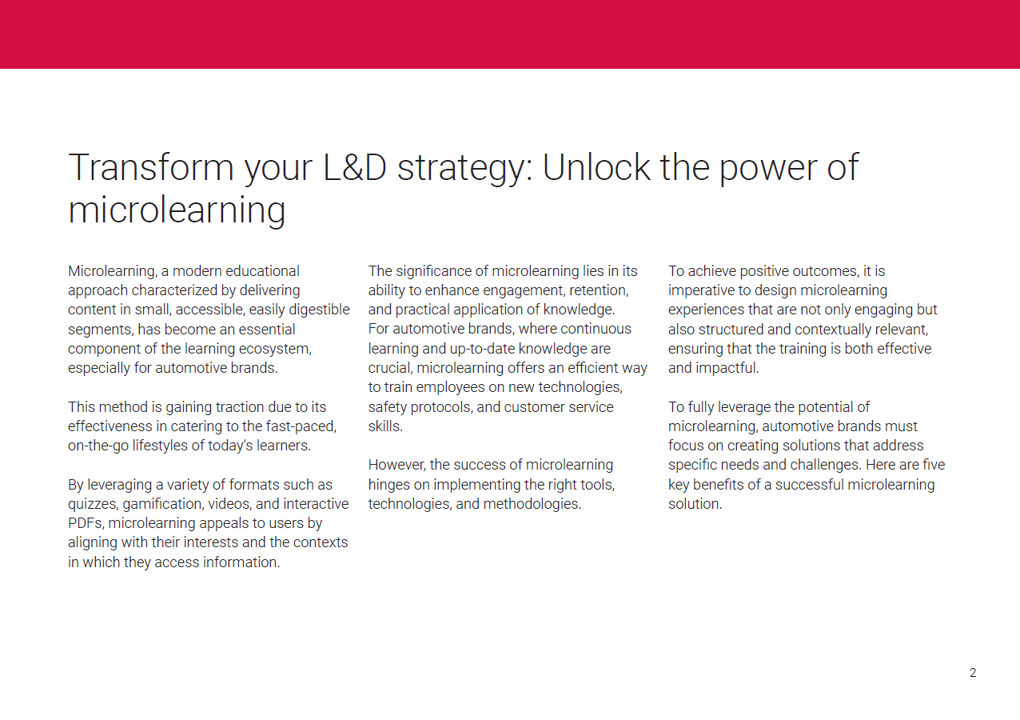
Transform your L&D strategy: Unlock the power of microlearning

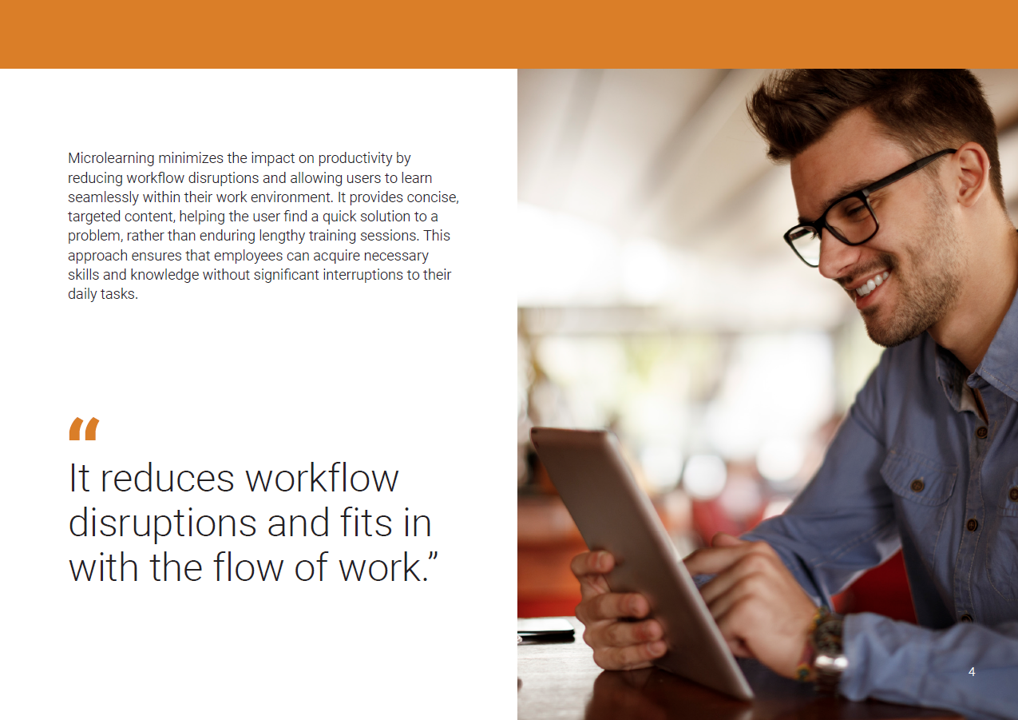
For automotive brands, where continuous learning and up-to-date knowledge are crucial, microlearning offers an efficient way to train employees on new technologies, safety protocols, and customer service skills. However, success in microlearning depends on implementing the right tools, technologies, and methodologies.

In our latest report, MSX’s David Lowrie, Global Learning Solutions Leader, emphasizes the benefits of a winning microlearning formula, revealing that the right solutions can not only enhance employee engagement and retention, but also contribute to better overall performance.

Don’t miss out on new insights and discussions with our leadership team. To stay informed about upcoming reports and events from MSX, submit your details below.

We’d love to hear from you

If you’d like to know more about MSX or how we can support your business, please fill out the form below.


Related Articles

Is the traditional KPI dead? The future of performance management in a data-driven era

Is the traditional KPI dead? The future of performance management in a data-driven era

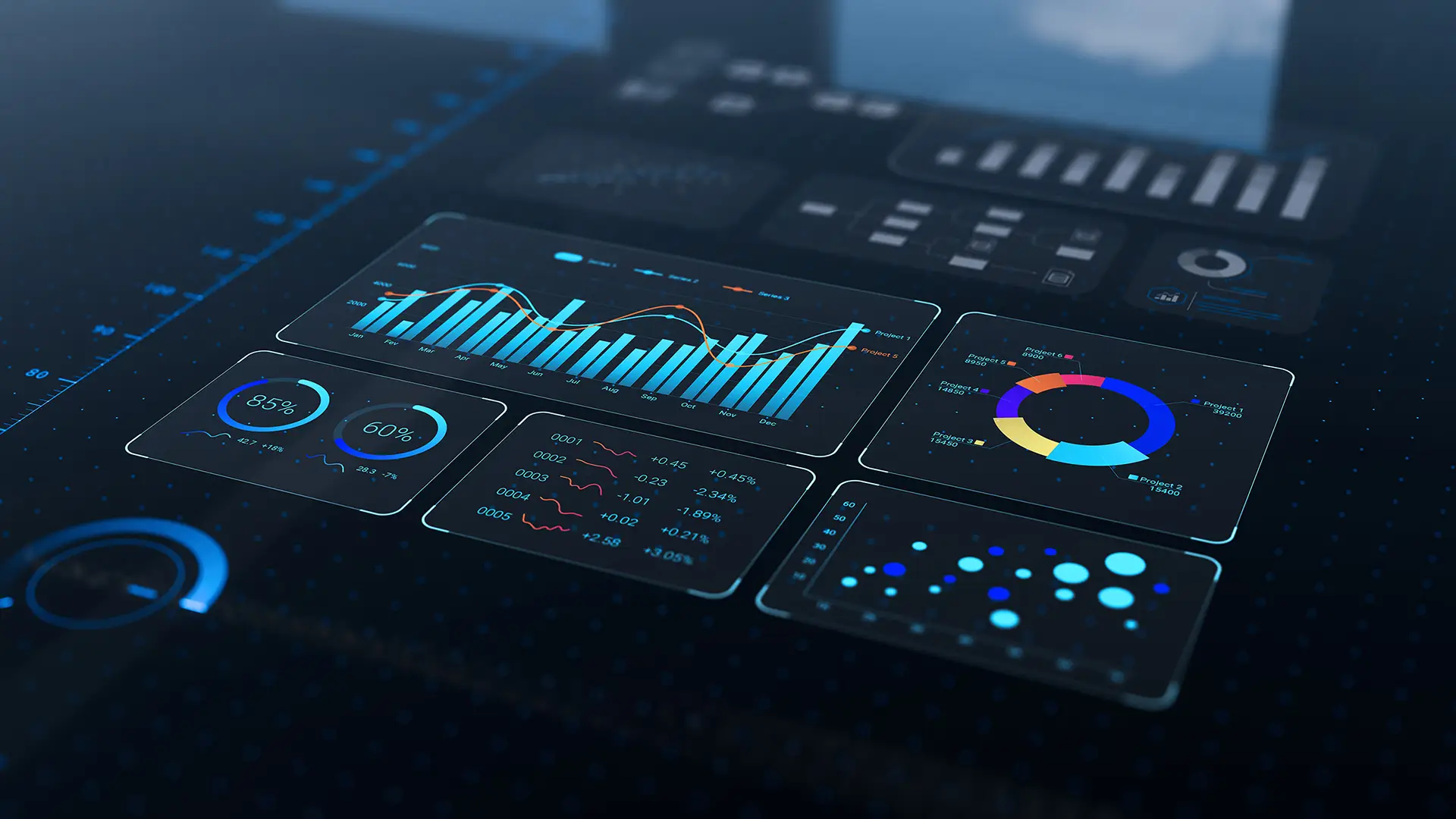
In the automotive industry, Key Performance Indicators (KPIs) have long been used as essential tools in measuring success. They offer a clear, albeit limited historical view of a company’s performance. However, as the industry evolves and embraces digital transformation, and data becomes more abundant, is relying solely on retrospective metrics enough to remain competitive? 

Forward-looking analytics, real-time data integration, and predictive models are becoming increasingly critical. These tools can provide deeper insights into customer behavior, market trends, and operational efficiencies, enabling companies to not just track past performance, but also anticipate future challenges and opportunities, thereby driving proactive decision-making and innovation.

Revolutionizing performance measurement

Traditional KPIs tend to be reactive, providing information on what occurred without delving into the reasons behind it or suggesting preventive measures. In a data-driven world, predictive and prescriptive models can help transform how performance is measured and managed. By leveraging data to forecast future outcomes and suggest actions, OEMs can increase the complexity of their business decisions, enhancing their predictive and prescriptive capabilities. Unlike KPIs, which provide a static view of past performance, predictive models use advanced algorithms and machine learning to analyze vast amounts of data, uncovering patterns and correlations that might not be immediately obvious.

This shift from reactive to proactive analytics is crucial for staying competitive in a fast-paced industry. Let’s look at a few examples of how this approach can transform operations, reducing costs, enhancing efficiency and improving satisfaction.

The power of combined expertise

Successfully implementing predictive models in the automotive industry requires a deep understanding of automotive systems, processes, and customer behaviors. Combining data science with automotive expertise ensures that models are accurate and actionable, providing real-world value.

While a data scientist might develop a robust predictive model, an automotive expert can provide the necessary context to interpret the results and apply them effectively. This collaboration bridges the gap between theoretical insights and practical application, ensuring that predictive models deliver tangible benefits.

Automotive experts can refine predictive model recommendations by considering specific operating conditions and practical constraints. This combined expertise ensures that the predictive model’s insights are practical and actionable.

Adapting KPIs for the future

The question isn’t whether KPIs are needed anymore, but how they can evolve to stay relevant. In this rapidly changing industry, leveraging live, constantly evolving data for proactive decision-making is essential. Retail networks require dynamic and comprehensive solutions that harness this real-time data, providing insights that drive continuous improvement and sustainable growth. By adopting these models, manufacturers and mobility players can optimize operations, enhance customer experiences, and gain a competitive edge. KPIs are not dead—they’re becoming part of a more sophisticated approach to measuring and driving success.

Integrating predictive models and advanced analytics is the next frontier in performance measurement. Those who adapt and utilize the power of live data will be the ones who thrive.

Contact the Author

Felipe_Cruz

Felipe Cruz

 Global Solutions Leader, Actionable Insights

Contact the Author

Felipe_Cruz

Felipe Cruz


Global Solutions Leader, Actionable Insights

Related Articles

Is convenience killing the automotive service industry? A deep dive into the future of customer experience

Is convenience killing the automotive service industry? A deep dive into the future of customer experience

In the modern automotive landscape, convenience has evolved from a preference to an essential element in the customer experience. As we navigate through the complexities of automotive retail, understanding and integrating convenience into the service experience has become crucial for retaining customer loyalty and staying competitive.

In today’s fast-paced world, customers value their time more than ever, and the demand for convenience is influencing how services are delivered across various industries. According to Gartner, integrating retail inventory, such as automotive parts, with IoT technology enhances visibility, which is a critical first step in enabling omnichannel fulfillment. This improvement subsequently boosts retail operations and enhances customer experiences.

In automotive services, convenience directly impacts customer satisfaction, loyalty, and overall brand perception. The ability to offer a seamless, hassle-free service experience can significantly differentiate a brand from its competitors, especially as the demand for electrification accelerates.

As manufacturers understand the importance of convenience to their brand, they must examine their own strategies and make future projections that encompass transformative technologies and harness the insights gathered from business and performance data to deliver convenience for their customers.

But while convenience offers a strategic advantage, the question at the heart of developing services that meet and exceed customer expectations is, “How does the customer want to engage in the service experience?” Providing convenience is about respecting the customer’s time and preferences, thereby fostering a positive and lasting relationship. Here, we delve into the current landscape of convenience within the automotive service sector, examine strategies for delivering customer ease, and explore the future of customer convenience in the automotive service environment.

The current state of convenience

The importance of customer convenience is evident in several key areas of the automotive service environment, including the shift from traditional phone-based appointment scheduling to digital solutions, the growing preference for real-time communication, and the challenges posed by technician shortages and increased vehicle numbers. These developments reflect a broader trend towards meeting customer needs more efficiently and effectively in today’s fast-paced world.

Appointment Scheduling

The traditional mode of scheduling appointments via the telephone is rapidly being replaced by digital alternatives. Customers now prefer using alternative channels such as SMS, online booking systems, and mobile apps to schedule and manage their service appointments. This shift not only streamlines the process but also aligns with the communication preferences of younger generations.

Communication

Effective communication is fundamental when it comes to convenience. The preference for text messaging over telephone calls or emails highlights the need for real-time, accessible updates on vehicle status. Implementing technologies like SMS text messaging, short codes and automated status updates can enhance the customer experience by keeping them informed without overwhelming them. This shift to preferred communication channels can lead to higher satisfaction and fewer missed appointments.

Capacity and Availability

One of the biggest challenges is the lack of appointment availability due to technician shortages and an increasing number of vehicles on the road. Addressing these capacity issues through optimized scheduling, lean processes, and mobile service options can significantly improve convenience. “The inability to get an appointment in a timely manner is the number one factor affecting customer defection and dissatisfaction.”

Mobile Services

The introduction of mobile service offerings is a testament to the demand for convenience. Mobile service units cater to customers who may find it difficult to visit the dealership, such as night-shift workers, students, or individuals with disabilities. These units not only provide essential services at the customer’s home or place of work, but also help form stronger customer-technician relationships.

Where we are today

The automotive industry is already leveraging several strategies to enhance convenience, and it is continuing to revolutionize it through advanced technological integration, lean processes, and data analytics. Dealers now use sophisticated tools and methodologies to streamline workflows, reduce waste, and provide quicker, more accurate services. Real-time data analytics further enable customized, efficient solutions, significantly enhancing the overall customer experience.

Technological Integration

By adopting advanced scheduling tools, service lane technologies, and multipoint inspection systems, dealers can not only improve operational efficiency and parts inventory management, but also provide customers with quicker, more accurate service. A report from June 2024 conducted by Frost and Sullivan revealed that tires and batteries are one of the most popular product categories sold through online-to-offline channels thanks to the convenience of ordering and fulfillment. This technological integration is vital in streamlining processes and reducing wait times, enhancing the overall service experience.

Lean Processes

Implementing lean methodologies to streamline workflows, reduce waste, and increase throughput is becoming increasingly common. Express services and mobile service options are examples of how lean processes can enhance convenience. By identifying and eliminating inefficiencies, dealerships can improve service speed and reliability.

Data Analytics

Using data analytics to monitor performance and identify areas for improvement allows dealerships to customize solutions based on real-time data, ensuring a more targeted and efficient service experience.

The future of convenience

As the automotive industry evolves, the future of convenience in servicing vehicles is set to be transformed by emerging technologies and innovative service models. These advancements will not only streamline operations but also enhance the customer experience by providing more efficient, accurate, and proactive service solutions.

AI and Predictive Analytics

The integration of artificial intelligence (AI) and predictive analytics will revolutionize how services are delivered. AI can assist in diagnosing issues, optimizing workflows, and even predicting when a vehicle will require a service. This predictive capability will allow dealers to proactively manage service schedules and reduce downtime for customers. “AI can be used to help us in the service drive with customer service performance and service workflows.”

Connected Cars

As connected car technology continues to advance, vehicles will soon be able to communicate directly with service centers, providing real-time data on their condition. This will enable more accurate diagnostics and timely interventions, further enhancing convenience for customers. Connected cars will not only notify the OEM when a service is needed but will also provide detailed information to the service center, reducing diagnostic time and improving repair accuracy.

Specialized Service Outlets

The separation of sales and service experiences will become more evident with the introduction of new retail models. We will see an increase in the number of specialized service outlets catering to alternative drive trains that will allow for more efficient and specialized service delivery.

Mobile and Autonomous Services

The future may see an increase in mobile service units and even autonomous vehicles that can drive themselves to service centers at night. While fully autonomous servicing is still a way off, the trend towards mobile and flexible service options will continue to grow. This evolution will provide unparalleled convenience, allowing for services to be performed with minimal disruption to the customer’s daily routine.

Embrace the future: Redefining convenience in automotive servicing

As the customer demand for convenience increases, manufacturers must understand and adapt to their needs, leveraging technology, and optimizing operational processes to significantly enhance the customer experience. MSX White Paper, “Perfecting the car buying journey: Virtual, human, or the best of both worlds?” has revealed that while customers have expressed a clear desire for some form of human interaction, they also demand the convenience of digital channels. As we look to the future, the continued integration of AI, connected car technology, and specialized service models will further redefine convenience, ensuring that automotive services remain aligned with customer expectations and industry advancements.

MSX’s tailored solutions analyze performance data and identify weaknesses in existing operational processes that help you deliver exceptional customer experiences while optimizing factory to customer supply chain costs.

We combine research, analysis, technology and expertise with proven delivery strategies to help brands engage new customers, recapture business from competitors, and to innovate the customer’s experience throughout their aftersales journey.

Contact the Author

Lois-Valente

Lois Valente


Global Solutions Leader of Parts, Accessories & Service Performance

Lois-Valente

Lois Valente

Global Solutions Leader of Parts, Accessories & Service Performance

Related Articles

Revolutionizing automotive leasing: Blending CX, tradition, and innovation

Revolutionizing automotive leasing: Blending CX, tradition, and innovation

Automotive leasing companies are facing many challenges that impact their ability to deliver seamless and efficient services to their customers. Addressing these pain points effectively is crucial for maintaining competitiveness and ensuring customer satisfaction. By identifying these key challenges, leasing companies can leverage data and technology to develop innovative mobility solutions, enhance operational efficiency, and improve customer satisfaction.

Identifying the key challenges

One of the biggest issues faced by leasing companies, particularly those overseeing large fleets, is maximizing fleet utilization. Inefficient use of pool fleets often leads to higher costs as companies must depend more on external rental providers. To reduce cost and enhance service delivery, it is crucial to ensure optimal use of the available vehicles.

Customers expect reliable and prompt access to vehicles and any delays or failures in providing mobility solutions can result in their dissatisfaction. Complicated and slow booking procedures can frustrate customers and impede operational efficiency, so streamlining and simplifying the booking processes is vital for maintaining a positive customer experience.

Maintaining effective, continuous, and clear communication with customers also helps manage expectations and ensures satisfaction throughout the service lifecycle. By addressing these issues, leasing companies can improve their operations and better meet customer needs.

Empowering success through data and technology

Advanced data analytics provide valuable insights into fleet utilization, customer preferences, and operational efficiencies. Data analysis can inform decisions regarding vehicle allocation, maintenance schedules, and service improvements. Predictive analytics also aid in forecasting demand, enabling better resource planning and reducing reliance on external rentals.

Implementing innovative technology solutions is crucial for streamlining operations. Integrated booking systems, customer relationship management (CRM) platforms, and real-time vehicle tracking are essential components. Connected vehicle technology, for example, offers real-time data on vehicle locations and conditions, allowing for more precise fleet management and offering real-time insights into vehicle status, location, and usage patterns.

Efficient communication channels and automated systems, such as AI-powered chatbots, maintain customer satisfaction and provide instant responses to customer inquiries, while comprehensive CRM systems ensure all customer interactions are logged and addressed promptly. By leveraging these technological advancements, leasing companies can enhance their operational efficiency and improve overall customer experience.

Balancing tradition and technology

But while modern technology and data analytics are pivotal, traditional channels remain essential in ensuring comprehensive customer service and operational efficiency. Traditional call centers continue to play a crucial role in managing customer interactions. Personal connections with knowledgeable agents provide reassurance and detailed support that automated systems might not fully replicate.

Maintaining strong relationships with dealers is essential for efficient fleet management. Regular in-person visits help reinforce these relationships, ensuring dealers are aligned with the leasing company’s objectives and can facilitate quicker resolution of issues.

Traditional communication channels continue to be effective in reaching a broader audience and are particularly useful in marketing new services and educating customers about the benefits of leasing options. Combining traditional media with digital channels ensures a comprehensive communication strategy.

Embracing advanced technologies for success

As we look to the future, the integration of AI and other emerging technologies will play a pivotal role in transforming mobility solutions, helping to enhance operational efficiency and optimize decision-making processes. Implementing scalable solutions that adapt to varying levels of demand is crucial for maintaining efficiency, helping leasing companies meet customer needs without incurring unnecessary costs.

In this complex landscape, leasing companies must leverage data analytics, adopting advanced technologies and maintaining effective communication channels to ensure customer satisfaction and operational efficiency. The integration of AI and connected vehicle technology further enhances these capabilities, providing a clear pathway to success.

MSX Consumer Engagement services provide solutions that enhance every interaction with more personalized guidance and inspire consumers throughout their entire journey. We deliver support that goes beyond traditional contact center services, and boost consumer loyalty through seamless issue resolution and value enhancing engagement.

Elvira_Llorens

Elvira Llorens

CEO Octago

Elvira_Llorens

Elvira Llorens

CEO Octago

Related Articles

Revolutionizing automotive retail: The impact of personalized marketing

Revolutionizing automotive retail: The impact of personalized marketing

In today’s consumer-driven landscape, where relevance, efficiency and personalization are paramount, the evolution from mass marketing to personalized strategies has transitioned from a trend to a strategic imperative. This shift is poised to elevate customer engagement, bolster brand loyalty, and drive business success.

The essence of a tailored automotive marketing strategy

Personalized marketing is a customer-centric approach that utilizes data-driven insights to deliver experiences, messages, and offers tailored to individual needs, preferences, and behaviors. The core of this model is its ability to forge deeper connections with customers, fostering relevance, elevating satisfaction, and ultimately, driving conversions.


Relevance and efficiency

Creating individualized customer communications ensures each interaction is meaningful and related to the intended customer. By presenting relevant information, it streamlines the customer’s journey, reducing the time and effort customers spend searching for what they need.

Enhanced customer experience

Customers value feeling appreciated and understood. Personalized experiences make customers feel acknowledged and catered to, leading to a higher level of customer satisfaction and brand loyalty.

Increased conversion rates and retention

Targeted experiences resonate more with customers, leading to higher conversion rates and improved customer retention.

Data-driven insights

The application of data analytics results in better product recommendations, service offerings, and enhanced customer service. It enables brands to anticipate and proactively address customer needs.

Applications in the automotive industry

In the automotive industry, personalized marketing can take on various forms. By leveraging customer data and analytics, automotive companies can offer tailored vehicle recommendations that align with individual preferences, needs, and budgets, increasing the likelihood of conversion. Analyzing individual vehicle usage and maintenance history enables companies to send customized service reminders, ensuring timely maintenance and boosting customer satisfaction. Personalized marketing allows automotive companies to present financing options that accommodate the individual financial circumstances and preferences of each customer, facilitating a smoother purchasing process. Meanwhile, through targeted marketing communications, automotive brands can convey relevant offers, promotions, and information, fostering engagement and building enduring customer relationships. By aligning their offerings with customer needs and preferences, automotive companies can elevate the customer experience and drive business success.

Challenges and opportunities

While personalized marketing brings numerous benefits, it also poses obstacles that automotive companies must overcome. Challenges related to data privacy and security, technology integration, and measuring success are pivotal considerations in implementing personalized strategies.

Data privacy and security

Given the reliance on customer data, automotive companies must address data privacy and security concerns, ensuring regulatory compliance and building trust with customers.

Technology integration

Integrating advanced technology and tools is vital for crafting targeted experiences. Automotive companies need to stay updated on technological advancements and adapt to emerging trends to maintain competitiveness.

Measuring success

Establishing and measuring success is essential for assessing the efficacy of personalized marketing strategies. Automotive companies need to define clear KPIs and continuously monitor and adjust their strategies to achieve the desired outcomes.

Using data to enhance the service offering

But the generation of customer-centric data allows automotive companies to introduce preventative and pre-emptive services. An article from S&P Global Mobility, published in Sept 2023, suggests that the rise in powertrains and the consequent increasing portfolio of vehicles mean that manufacturers must adjust their marketing budget across a broader lineup, and every marketing campaign and initiative must be tailored to serve a specific customer to ensure maximum return.

By harnessing the power of advanced analytics and telematics, OEMs can offer predictive maintenance, giving customers real-time insights into their vehicle’s health and proactively scheduling maintenance or repairs based on actual usage patterns. This data-driven approach enables automotive companies to not only enhance safety and reliability but also reduce the overall cost of ownership for their customers. Additionally, it paves the way for personalized driving tips and efficiency recommendations, promoting a more eco-friendly and economical driving experience. In this data-driven era, automotive companies are not just selling vehicles; they are selling peace of mind and a more seamless, informed, and customized ownership journey.

Driving customer-centric innovation

The automotive industry is at the forefront of creating personalized, relevant, and valuable customer experiences. Driven by consumer demand, this personalized marketing model emerges as a beacon of innovation, providing a pathway to enhanced customer experiences, stronger relationships, and sustained business growth. As automotive companies continue to adopt this approach, the road ahead is filled with opportunities. The journey towards a future where every interaction is personalized, every experience is relevant, and every engagement adds value is well underway, with the automotive industry leading the way in redefining customer relationships and setting new standards for customer-centric excellence.

Contact the Author

Michele_Esposito

Michele Esposito

 Global Solutions Leader, Consumer Engagement

Contact the Author

Michele_Esposito

Michele Esposito

Global Solutions Leader, Consumer Engagement


Related Articles

Sky high ROI: Trade parts program achieves 600% ROI

Sky high ROI: Trade parts program achieves 600% ROI

Fast facts

Premium, global automotive manufacturer

Enhance trade parts operations and unlock greater potential

17 markets across Europe, North America, China, and South Africa

A customizable, modular trade parts strategy designed to transform the client’s ordering processes, pricing, and inventory management

Expanding parts’ potential

The trade parts business serves as a powerful catalyst for driving revenue and forging a strong foothold in the automotive market.

Amidst the proven successes of one of the world’s most esteemed automotive manufacturers, lay an exciting opportunity to enhance its trade parts operations further and unlock even greater potential. By implementing a well-structured wholesale parts program, effective marketing strategy, and streamlined data capture mechanism, the OEM expanded further in the fiercely competitive trade parts market.

Setting ambitious goals

The vehicle manufacturer engaged MSX for its visionary consultancy and to provide the necessary tools and solutions needed to empower its trade parts business in 17 markets across Europe, North America, China, and South Africa.

To unlock the brand’s true potential, MSX explored its existing trade parts activities, while embracing new opportunities and cultural factors. The goal was to develop a customizable trade parts strategy that would exceed expectations and propel the organization towards unparalleled success and achievements.

Employees are better equipped to sell and promote trade parts.

Exploring market opportunities

Having identified the different ways in which dealers manage their wholesale parts across each market, MSX designed and delivered a solution that comprised nine modules.

Each module focuses on a different area of the business, enabling individual markets to choose the specific elements that fit their needs. Delivered through a combination of people, process and technology, these modules address the needs of independent repairers and body shops, providing an easy way to buy and order parts, secure competitive prices, and ensure parts are in stock and delivered on time.

Through continuous evolution, small-scale marketing efforts have evolved into longer-term promotions, such as the ‘parts basket’ – a rebate program between dealers and the OEM that provides repairers and body shops with competitively-priced, preselected common parts. With the creation of a powerful data portal, MSX also enables teams to identify insights from global operations, further aided by dedicated data analysts examining the data daily to unveil opportunities and increase parts sales.

Celebrating brand success

The deployment of this program has proven to be transformative, empowering the brand to expand its new modular approach from a local to a global initiative.

MSX coaches continue to help dealers develop partnerships with their independent repairer customers, strengthening relationships and instilling trust and transparency. Employees are better equipped to do their jobs, with greater knowledge of the fundamentals of selling trade parts, and the tools to actively promote them to repairers and body shops.

The OEM is more informed thanks to comprehensive data analysis and reporting, allowing the team to focus on areas of the business most likely to generate revenue. The brand can introduce new strategies and implement offers and incentives to drive sales. Moreover, by understanding trends and patterns in data, it can respond to business fluctuations quickly and accurately.

New online parts sales channels have made transactions more efficient for dealer and trade customers, who are also more informed thanks to access to technical information about their vehicles. Targeted campaigns add further incentives for customers who receive rewards or discounts, for example, if they purchase more parts in a transaction.

Program achievements

Driving customer satisfaction

Since its initial set-up in 2014, the program has continued to grow significantly, with an average turnover of 19% per year and an impressive return on investment of 600%.

The program has also shown to enhance the proficiency of the dealer network, inspiring greater commitment and engagement from NSCs and dealers, and resulting in more satisfied customers.

Overview

Benefits

MSX program examples

Independent aftermarket strategy implementation

Dealers in coaching
~ 0
Focus customers
~ 0
Approximate parts sales value through program
0 bn €

Securing the future

The implementation of more efficient processes that accompany them enable each market to continuously improve.

More recently, and with the support of cutting-edge technologies, the program has successfully introduced innovative dealer coaching practices and new marketing activities in line with the industry’s rapid evolution. Meanwhile, MSX continues to work with the brand, investigating new distribution models and partners to increase parts availability and delivery speed to further improve customer satisfaction. Together, they are also exploring the use of artificial intelligence and machine learning to help identify opportunities and deliver tailored, accurate and personalized offers to customers.

0 %

Average – Year on Your Growth

0 :1

ROI

Find out more about how MSX Trade Parts solutions can help your business:

Related case studies

Raising the bar: Transformational warranty solution exceeds expectations

Raising the bar: Transformational warranty solution exceeds expectations

Fast facts

Luxury, global automotive manufacturer

Fragmented processes, tools and policies resulted in warranty inefficiencies and lack of transparency

Europe and importers

A centralized warranty hub formalizes global warranty operations and management, boosting accuracy and compliance.

Rethinking warranty operations

For many OEMs, modernizing warranty operations represents a strategic move towards greater efficiency, creating opportunities to streamline processes, integrate multiple data streams and emerging technologies, and accommodate new requests.

This was the goal of one luxury, global brand, whose disparate databases, processes, and internal systems led to a high degree of fragmentation. Despite its global warranty policy, most markets were working in a customized, stand-alone manner. The OEM needed to handle these challenges cost effectively, while ensuring customer needs were met.

Female apprentice in her 20s smiling towards camera

Improvements in compliance and quality, speed, and satisfaction exceed expectations.

Commitment to excellence

The brand established a strategic partnership with MSX, delivering continuous improvement across all European national sales companies and more than 100 global importers.

Following a strategic feasibility study, MSX designed a comprehensive solution to ensure all claims processes are compliant with policies and procedures. The solution enhances dealer performance, improves warranty processes, and helps manage the audit process, while increasing the service level in terms of effectiveness.

MSX’s comprehensive solution met the brand’s five key objectives

  • Ensuring the compliance of manually assessed claims

  • Supporting dealers in warranty handling

  • Ensuring the compliance of audit procedures

  • Support the OEM with 360 warranty services

  • Compatible with the launch of a new sales organization model

MSX worked closely with the OEM to define a roadmap that focused on continuous improvement and ensured the best delivery method for the new strategy. The approach included a robust warranty management center, which centralizes warranty handling across the organization.

The newly established MSX Warranty HUB comprises a Claim Review Hub as well as an Audit Hub, both with dedicated resources coordinating prior approval, goodwill authorization, claims assessment, coaching and audit delivery from a central location. The hubs apply central regulations and, using specialized tools, collate data across all markets. An integrated Business Intelligence Team works with these tools to interrogate real-time data and deliver complex reporting dashboards that can be used to measure performance and support the ongoing flexibility and adaptation of the project.

Quality and satisfaction soar

To date, MSX’s unique solution has achieved a 5:1 return on investment and has transformed the customer’s warranty operations, delivering remarkable achievements in compliance and quality, speed, and satisfaction.

Through rigorous adherence to industry standards, MSX has ensured that the solution meets the highest compliance benchmarks while reducing downtime and supporting operational efficiency.

faster on dealer enquiry resolution time vs target
0 x
improvement on claims processing time
0 x
of audit reports completed in under 1 day
> 0 %

By improving the overall enquiry resolution with a higher level of speed and accuracy, MSX has helped instill confidence across the dealer network and in customers and stakeholders.

Enquiries resolution rate without escalation
0 %
Overall claims quality
0 %
of Dealers supported by coaching improved after visits and avoided a warranty audit
0 %

The focus on improving support has resulted in increased dealer satisfaction and the reinforcement of brand loyalty.

of dealers declared Very Satisfied / Satisfied with HUB Warranty services
0 %
OEM net promoter score on MSX program
0 %
of audit chargeback accepted onsite
0 %

Find out more about how MSX Warranty solutions can help your business.

Related case studies